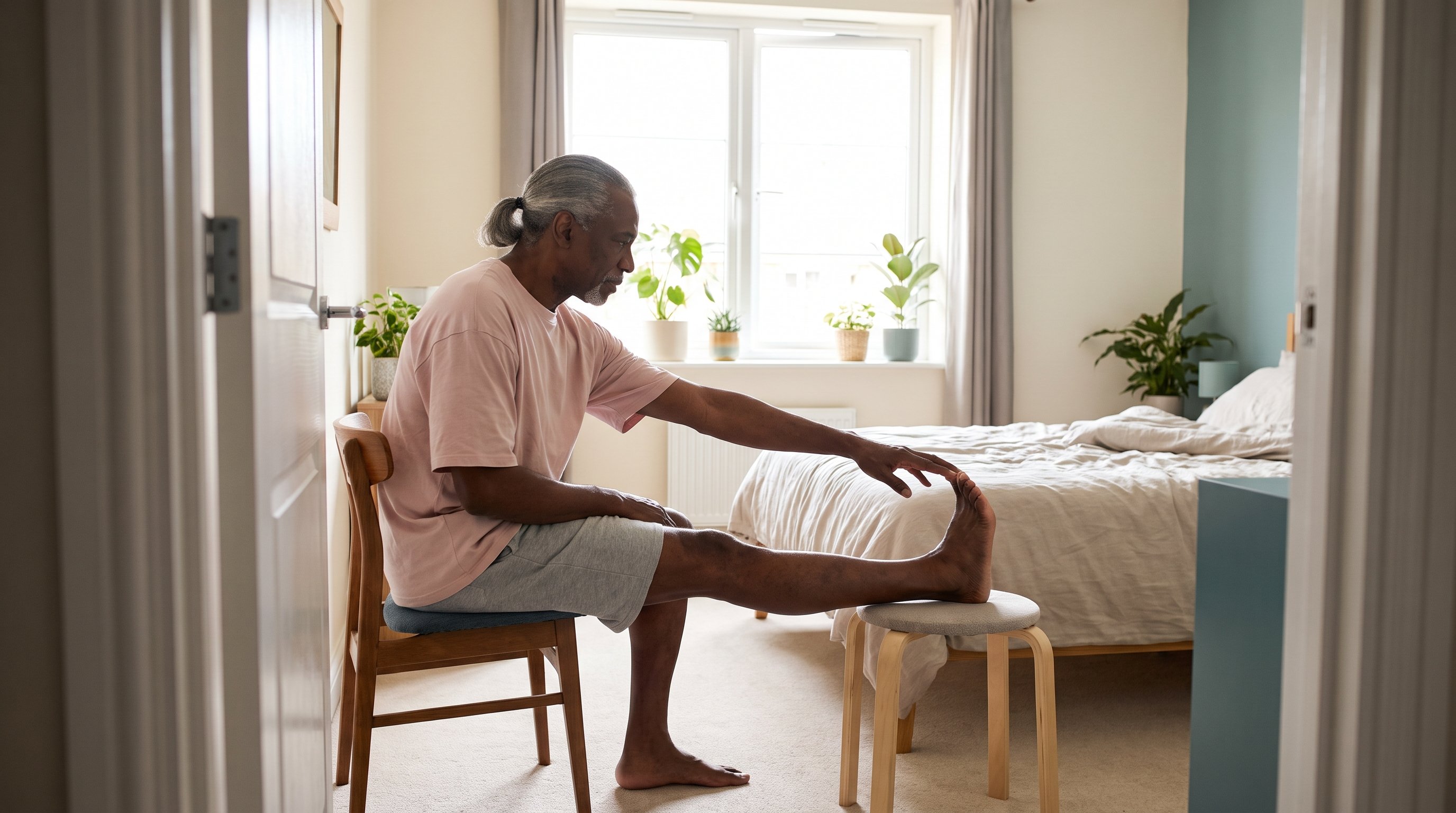
Knee Pain Relief Exercises: A Gentle Guide to Moving Easier
By:Author:Painletics Editorial
Updated on:October 23, 2026
- Getting Started With Knee Pain Relief Exercises
- How Often Knee Exercises Should Happen Each Week
- Fitting Knee Exercises Into a Normal Day
- A Four Week Starting Plan for Knee Relief
- What to Expect As Knee Strength Builds
- Common Mistakes With Knee Pain Exercises
- Staying Consistent With Knee Relief Through Painletics
- Building a Knee Routine That Actually Sticks
The most useful knee pain relief exercises are gentle, low-impact moves that strengthen the muscles around the joint without jarring it - think seated leg lifts, wall-supported squats and controlled step-ups.
Knees take load from the hips above and the ankles below, so a wobbly or weak support structure nearby often shows up as knee discomfort - strengthening those surrounding muscles helps the joint carry weight more evenly.
This article covers the steps to start, how often to do them, a simple four-week plan, the mistakes that stall progress, and what to expect as things improve.
Getting Started With Knee Pain Relief Exercises
Starting slow matters more than starting hard - the goal is to build tolerance, not to push through sharp discomfort.
Steps to Begin Safely
- Warm up for five minutes - a short walk or seated marching gets blood moving to the joint before any loading begins.
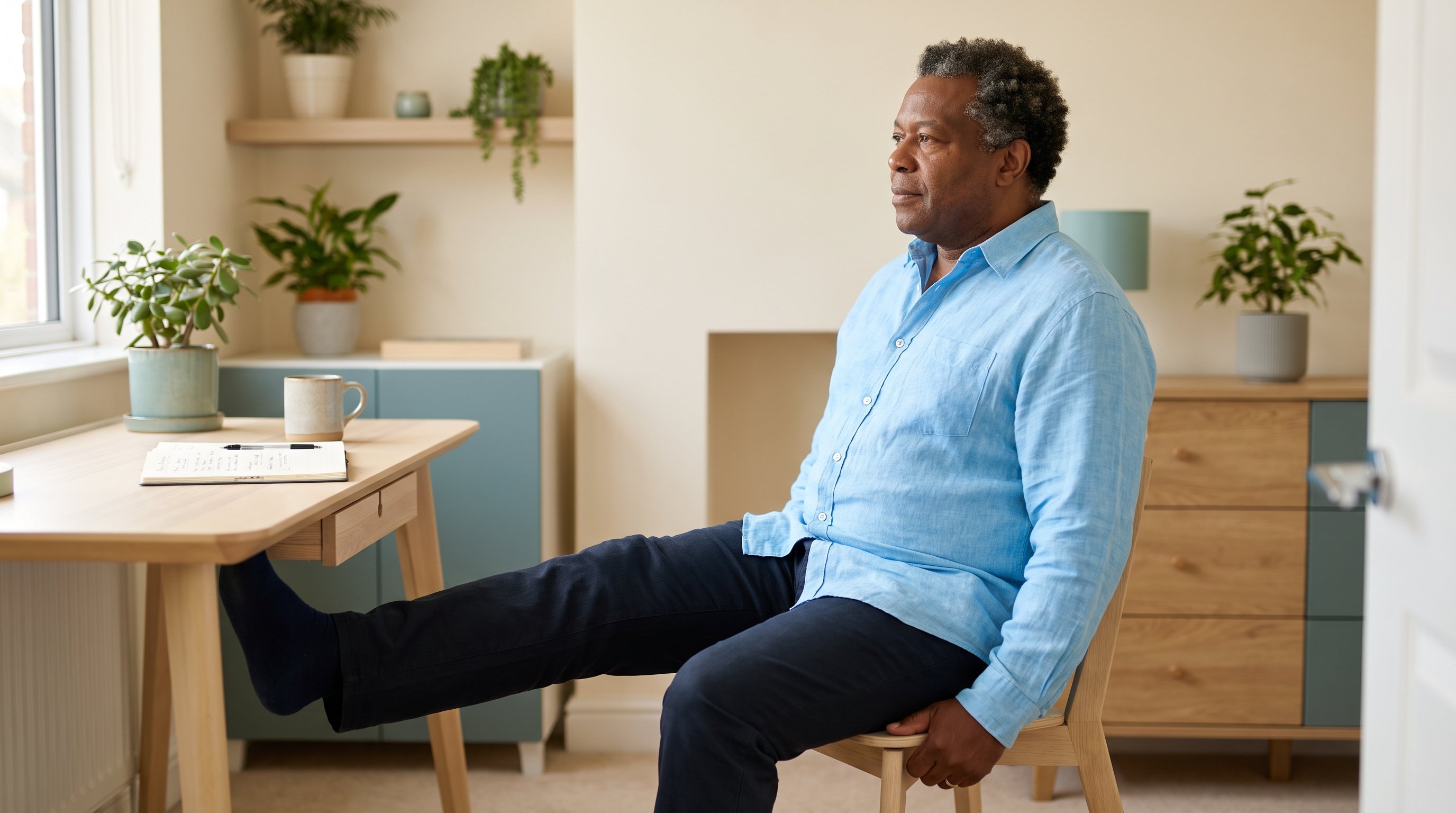
- Start with seated leg extensions - sit tall, straighten one knee slowly, hold briefly, then lower with control.
- Add wall-supported mini squats - lean against a wall and bend the knees only as far as feels comfortable.
- Include calf raises - standing calf raises support ankle strength, which takes some of the load off the knee.
- Try step-ups on a low step - this builds the quad and glute strength that stabilises the knee during everyday movement.
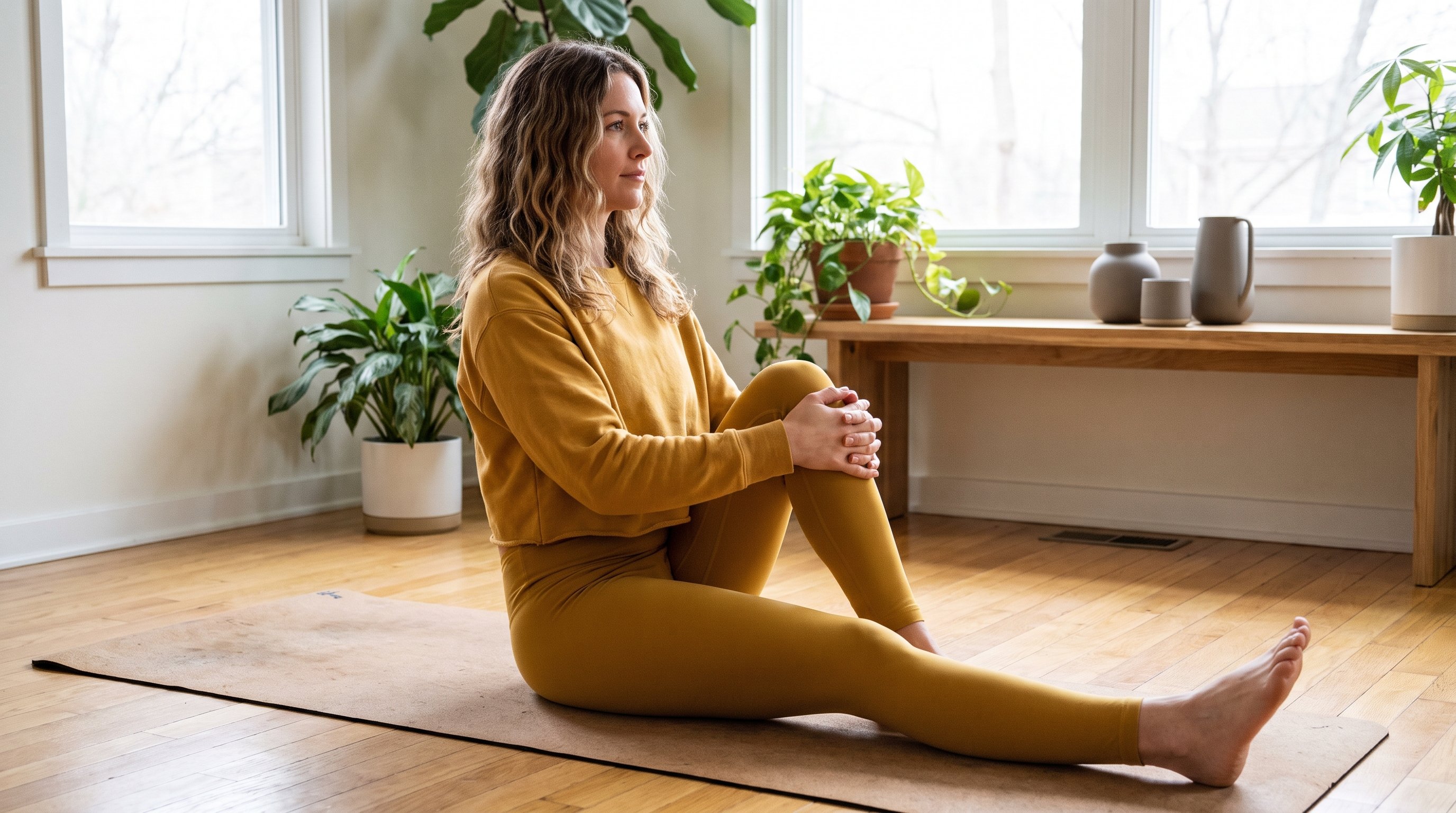
- Stretch gently afterwards - a light hamstring and calf stretch helps the muscles around the knee settle after the work.
- Rest between sessions - give the joint a day of lighter movement before repeating the full set.
None of these steps require equipment, and all of them can be done at home in a small space.
How Often Knee Exercises Should Happen Each Week
Consistency beats intensity here - a few short sessions spread across the week tend to feel better than one long, demanding one.
Finding a Workable Frequency
Most people find three to four short sessions a week gives the joint enough stimulus without leaving it feeling overworked.
| Exercise | Suggested Frequency | Typical Duration |
|---|---|---|
| Seated leg extensions | 4 times a week | 5 minutes |
| Wall-supported squats | 3 times a week | 5 minutes |
| Calf raises | 3 times a week | 3 minutes |
| Step-ups | 2 times a week | 5 minutes |
Adjust the numbers to what feels manageable - the table is a starting point, not a rule.
Fitting Knee Exercises Into a Normal Day
Most people don't have a spare hour for a structured workout, which is exactly why short, scattered sessions work better for knee care.
A few minutes of leg extensions while watching television, or calf raises while waiting for the kettle, add up without ever feeling like a chore.

Painletics builds its exercise routines around exactly this kind of real-life schedule, with customized exercises tailored to your main pain triggers and target areas so the sessions fit the time you actually have.
The daily habit trackers also make it easier to see, at a glance, whether the small sessions are actually happening often enough to matter.
A Four Week Starting Plan for Knee Relief
This plan builds gradually, so the knee has time to adapt before the load increases.
| Timeframe | Focus |
|---|---|
| Week 1 | Seated leg extensions and gentle stretching |
| Week 2 | Add wall-supported squats, keep stretching |
| Week 3 | Introduce calf raises alongside existing moves |
| Week 4 | Add step-ups, keep frequency steady |
The order matters more than the pace - build the easier moves into a habit before layering on anything new.
What to Expect As Knee Strength Builds
Progress with knee pain relief exercises tends to be gradual rather than sudden, and that's worth knowing upfront so the early weeks don't feel discouraging.
Many people notice the knee feels steadier on stairs or when standing up from a chair before they notice any change in pain itself.
This is usually when people quit - right before the steadiness starts translating into less discomfort during daily tasks.
Staying with a routine through the quieter, less exciting weeks is often what makes the difference later on.
Common Mistakes With Knee Pain Exercises
Skipping the Warm-Up
Jumping straight into squats or step-ups on a cold joint makes everything feel harder than it needs to - a five-minute warm-up solves this.
Going Too Deep Too Soon
Deep squats or long steps put more strain on the knee than the joint is ready for - shallow, controlled movement works better early on.
Doing One Long Session Instead of Several Short Ones
A single intense weekly workout doesn't give the joint the steady stimulus it needs - spreading sessions across the week works better.
Ignoring the Hips and Ankles
Focusing only on the knee misses the muscles above and below it that share the load - calf and glute work belongs in the routine too.
Stopping As Soon As Discomfort Eases
Dropping the routine the moment things feel better often lets the same pattern creep back - keeping a lighter version going long-term helps it stick.
Staying Consistent With Knee Relief Through Painletics
The exercises in this guide only help if they actually get done, week after week, which is where most routines quietly fall apart.
Painletics keeps the whole process in one place - customized exercises built around your main pain triggers, audio and video routines you can follow along with, and daily habit trackers that show whether the sessions are actually happening.
The lifestyle challenges add some structure without turning the routine into a chore, and the specialist-curated article library keeps you informed between sessions.
Move Without Pain
Ease Neck And Back Tension
Building a Knee Routine That Actually Sticks
The single most useful step is picking one exercise from this guide and doing it today, rather than waiting for the perfect routine to appear.
Small, repeatable sessions beat an ambitious plan that gets abandoned after a week - that's the whole logic behind customized exercise platforms too.
FAQ
Gentle, consistent strengthening around the knee can help the joint handle daily load more comfortably over time. Results build gradually rather than overnight, and consistency matters more than any single session.
Starting too hard or too deep can leave the joint feeling more irritated, which is why shallow, controlled movement is recommended early on. Easing in gradually tends to feel more manageable than pushing through discomfort.
A few minutes of one or two exercises still counts and adds up across the week. Painletics breaks routines into short sessions designed to fit around a normal schedule rather than demanding a block of free time.
The early weeks often bring small, quiet improvements rather than dramatic change, which can feel discouraging. Tracking progress, even loosely, tends to make it easier to notice those small shifts and keep going.
Share this post