Sciatica Exercises For Seniors: A Gentle Daily Approach
By:Author:Painletics Editorial
Updated on:October 23, 2026
- A Week of Gentle Sciatica Movement You Can Copy
- How Often Sciatica Exercises Should Happen Each Week
- Gentle Daily Stretching Versus One Hard Workout
- Making Sciatica Exercises Fit an Ordinary Day
- Adjusting Sciatica Exercises for Different Situations
- What to Expect As Sciatica Exercises Become a Habit
- Staying Consistent With Sciatica Relief Through Exercise
- Building a Routine That Sticks With Sciatic Discomfort
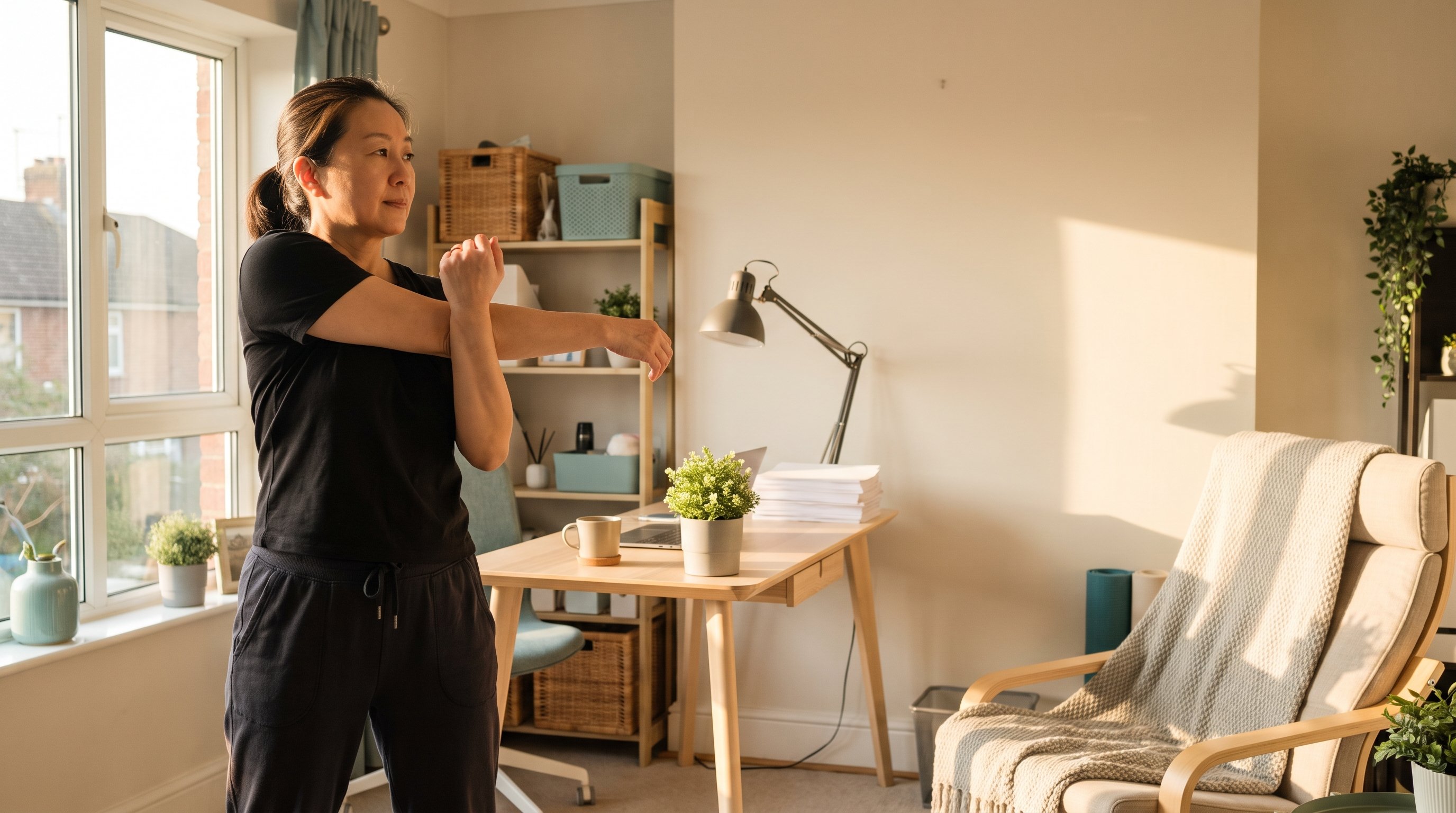
Sciatica exercises for seniors work best when they are gentle, frequent and aimed at the hips and lower back rather than the leg where the pain actually shows up.
Sciatic nerve irritation usually traces back to tightness or pressure near the lower spine and hips, so movement that loosens those areas can ease how the nerve feels further down the leg.
This guide covers a sample weekly routine, how often to move, why gentle and frequent beats occasional and intense, and how to fit it into a normal week.
A Week of Gentle Sciatica Movement You Can Copy
A realistic week does not need a gym or special equipment, just a few minutes set aside most days.
Sample Weekly Plan
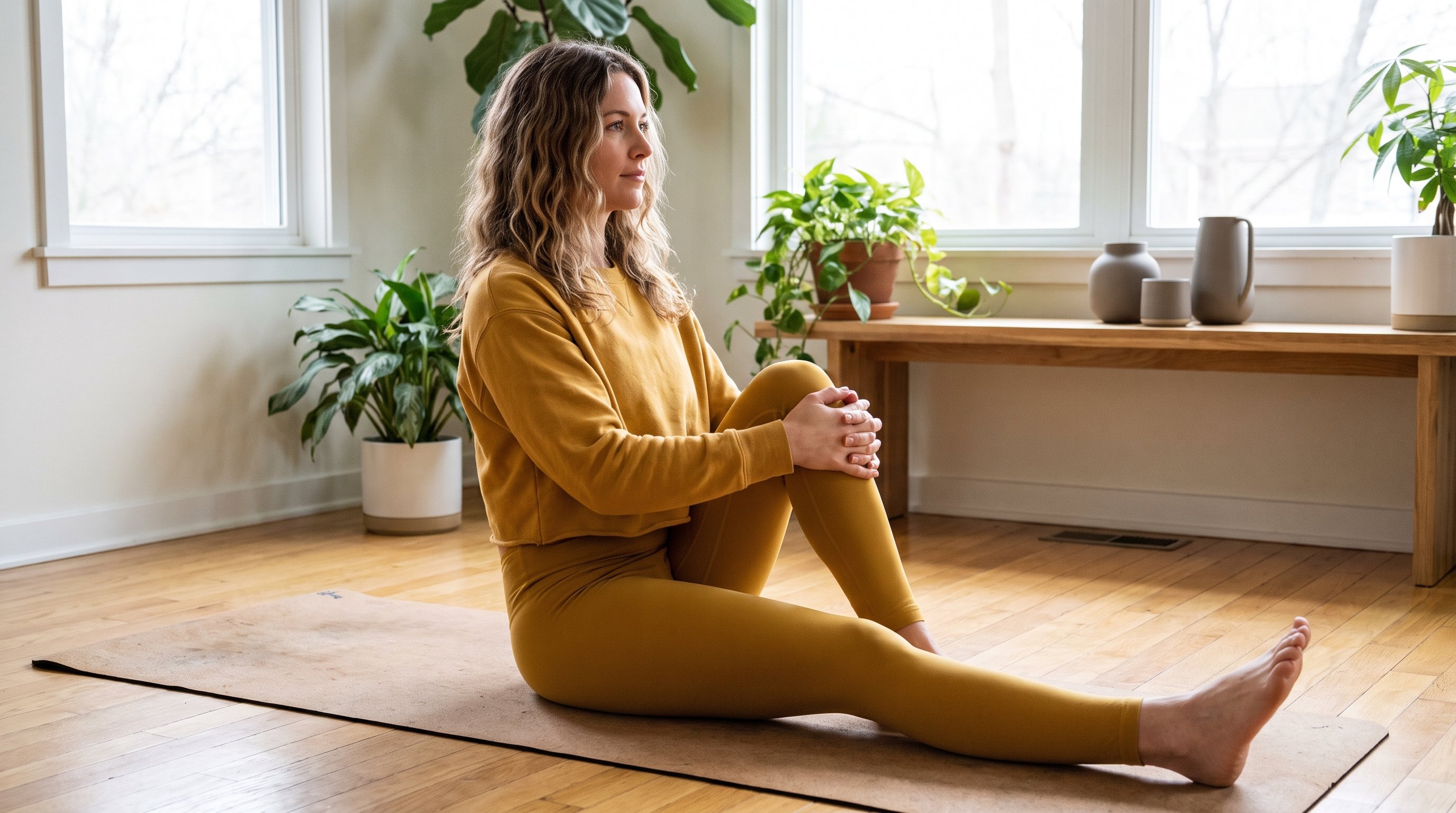
- Monday - gentle seated spinal twist and knee-to-chest stretch, five minutes each side
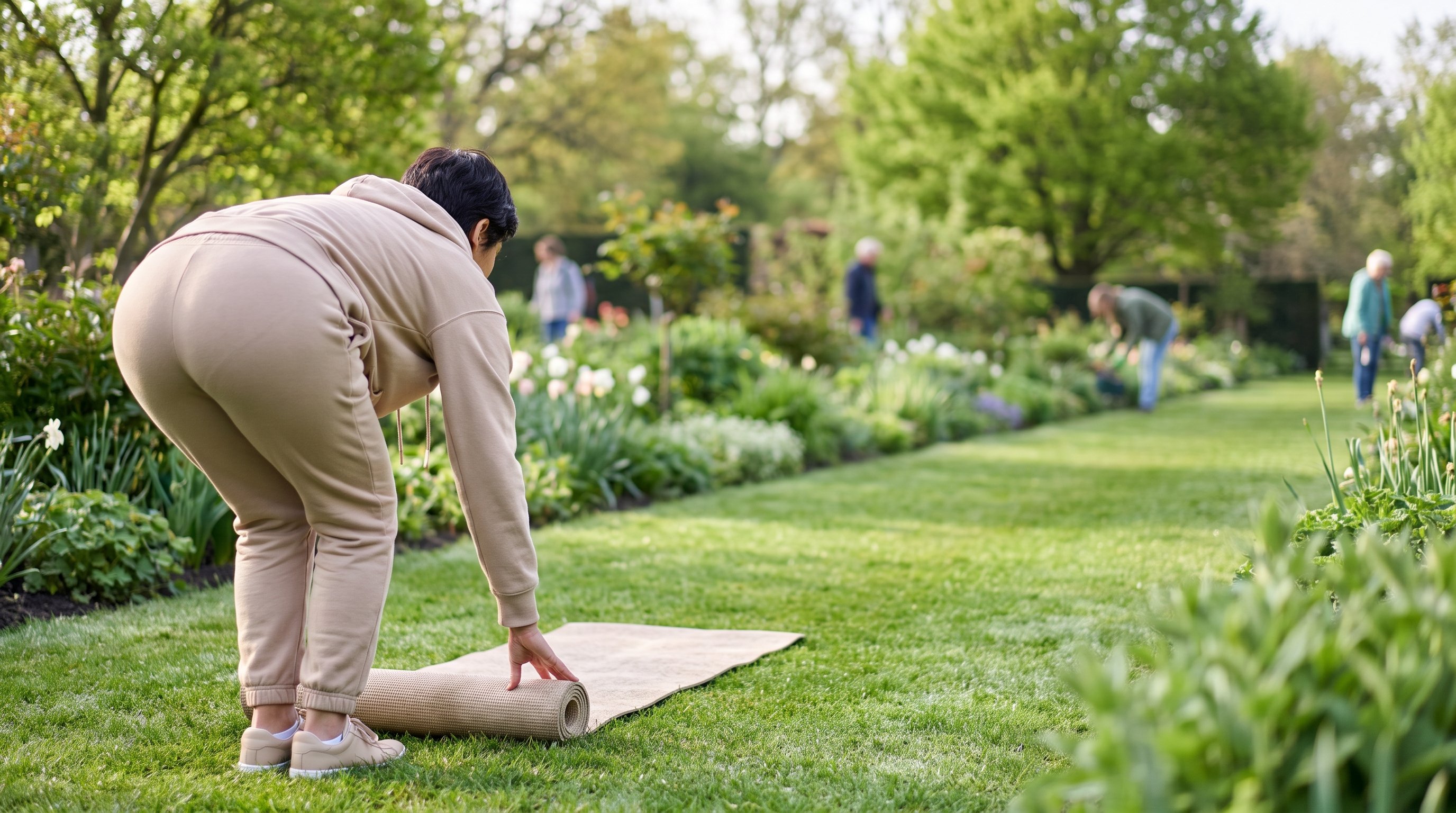
- Tuesday - short walk around the house or garden plus hip flexor stretch
- Wednesday - rest day with light standing stretches if comfortable
- Thursday - seated figure-four stretch and pelvic tilts
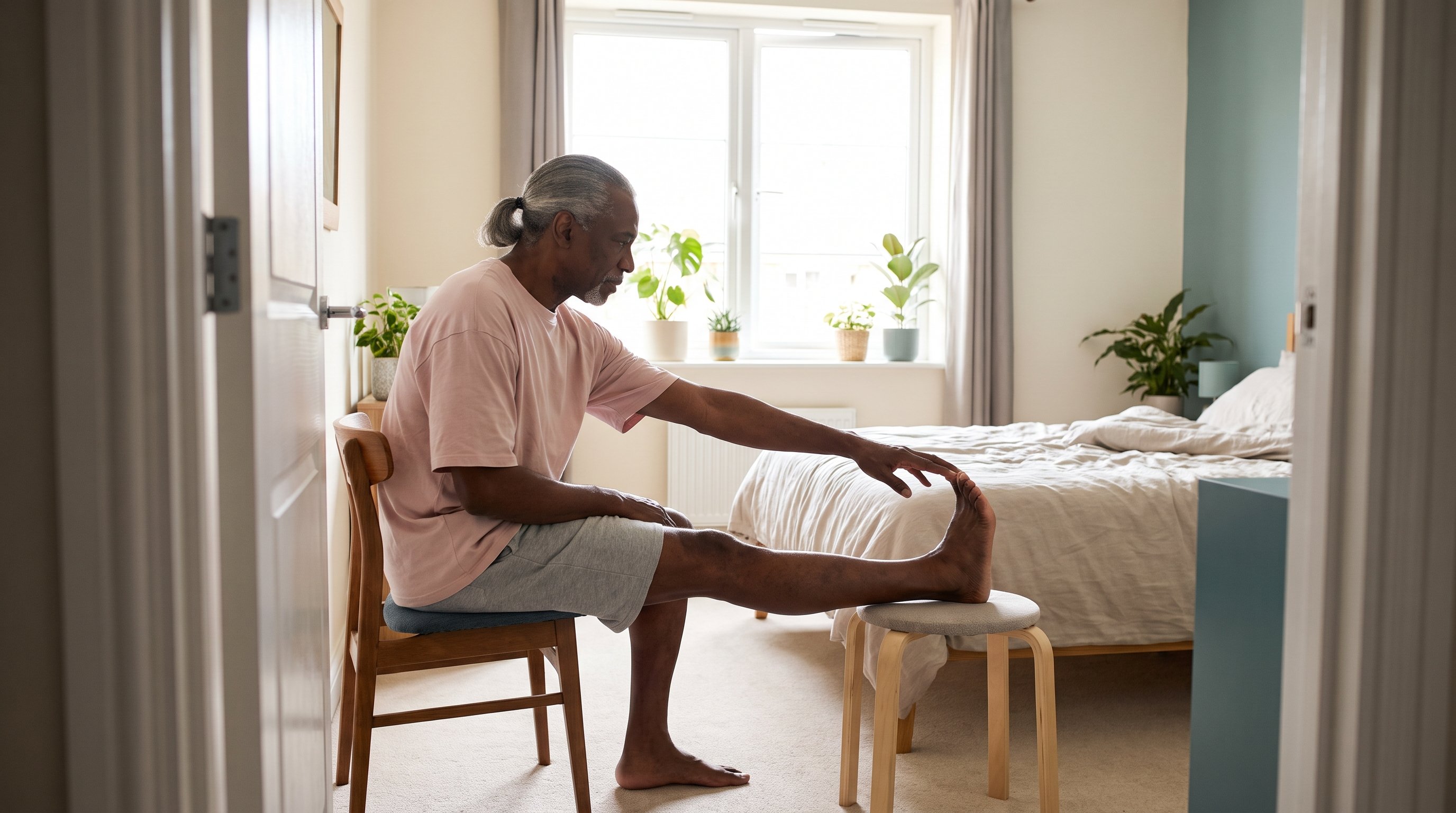
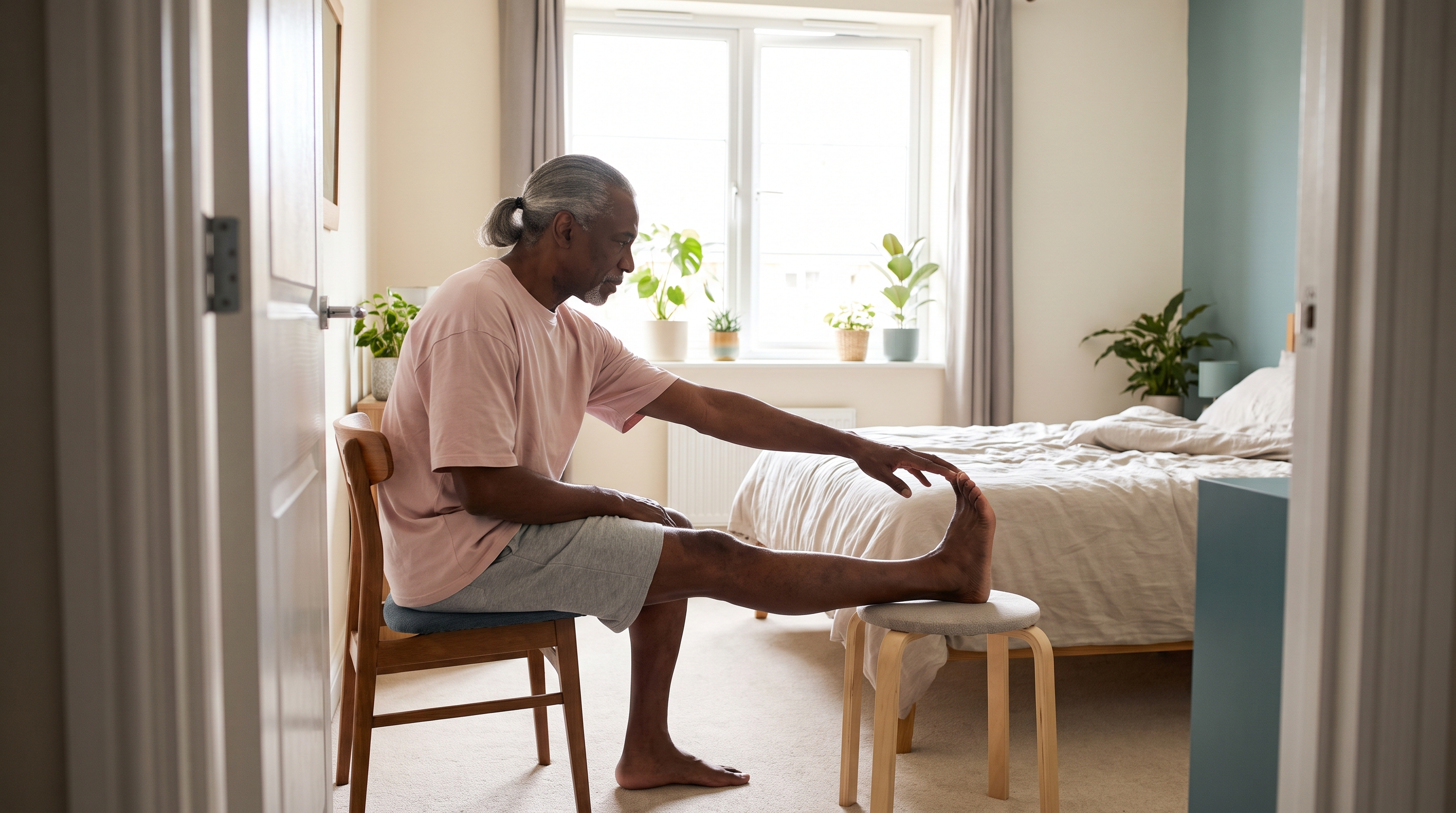
- Friday - short walk plus gentle hamstring stretch while seated
- Saturday - knee-to-chest stretch and slow walking
- Sunday - rest or light stretching, whatever the body asks for
Nothing on this list needs to feel like a workout, it just needs to happen often.
How Often Sciatica Exercises Should Happen Each Week
A Simple Frequency Guide
Short, gentle sessions spread across most days tend to be more manageable than one long session once a week.
| Frequency | Duration | Focus |
|---|---|---|
| Daily | 5 to 10 minutes | Gentle stretches, pelvic tilts |
| Most days | 10 to 15 minutes | Short walk plus stretching |
| 2 to 3 times weekly | 15 minutes | Hip and hamstring stretches |
| Daily as needed | 2 to 3 minutes | Seated positioning changes |
Consistency across the week matters more than how long any single session runs.
Gentle Daily Stretching Versus One Hard Workout
Picture two approaches: five minutes of gentle stretching most days, or one 45-minute session of intense stretching and strength work once a week.
The intense once-weekly version sounds efficient, but sciatic discomfort tends to respond better to frequent, small movement than to one big push that can leave the area feeling more irritated afterward.
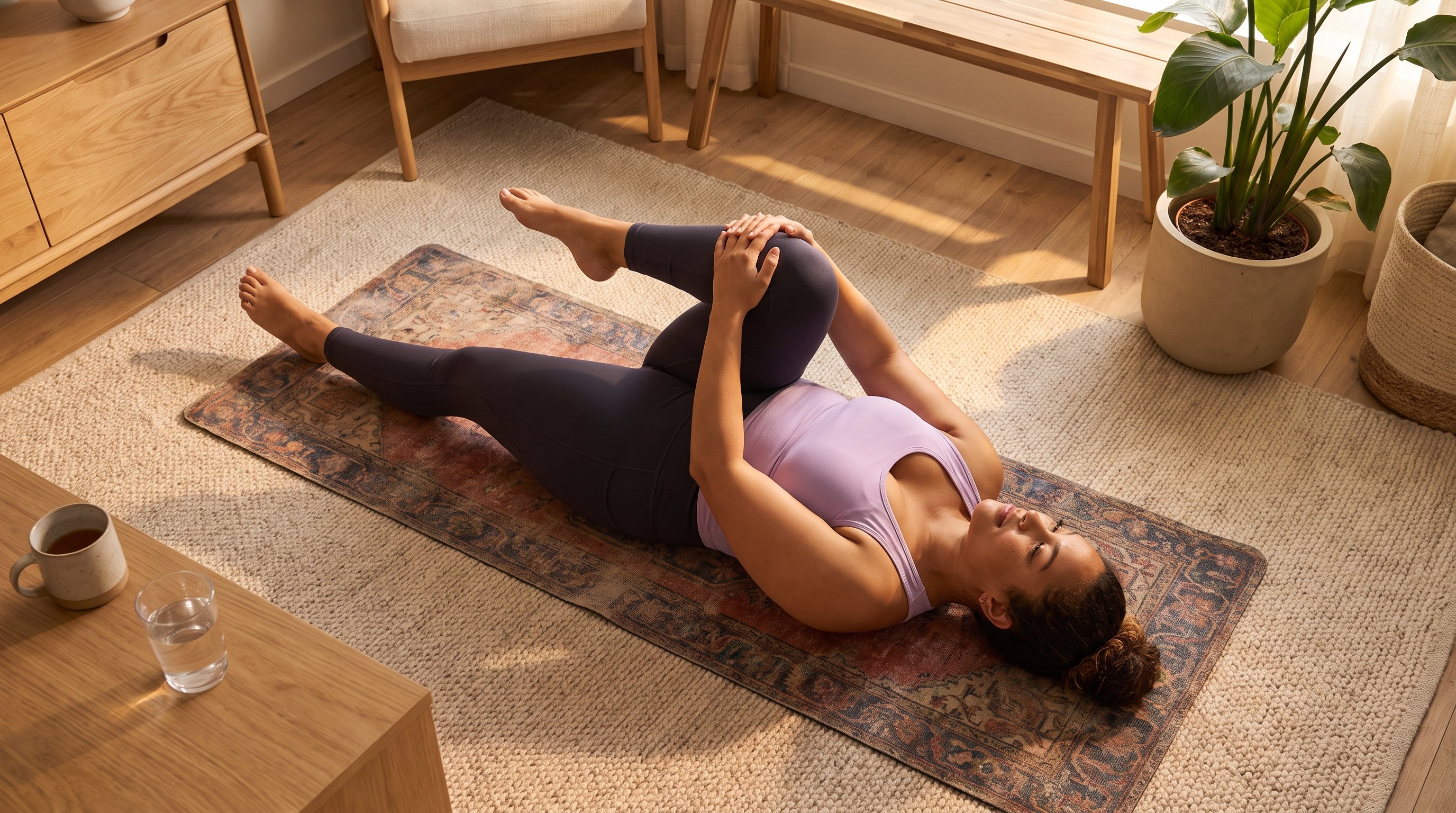
The gentle daily approach also keeps showing up easier, because nobody has to psych themselves up for five minutes the way they might for a demanding workout.
Adherence is the real variable here, and short sessions done consistently simply get completed more often than long ones that keep getting postponed.
Making Sciatica Exercises Fit an Ordinary Day
Most people do not fail at gentle exercise because it is hard, they fail because it is easy to forget.
Pairing a stretch with something already happening daily, like after morning coffee or before bed, removes the need to remember a separate appointment with exercise.
This is where tailored exercise apps fit in, offering routines built around specific pain triggers and target areas, so the program matches the person rather than a generic list.
Daily habit trackers can also hold step goals, hydration and stretching routines in one place, which makes it easier to notice what is actually happening across a week.
Adjusting Sciatica Exercises for Different Situations
Just Starting Out
Begin with the gentlest stretches on the list, like knee-to-chest or pelvic tilts, and skip anything that increases discomfort down the leg.
Limited Time
Two or three minutes of stretching tucked into a morning routine still counts, and it beats skipping the day entirely.
Living With Other Joint Concerns
Seated versions of each stretch reduce strain on the knees and hips while still reaching the lower back and glute area linked to sciatic discomfort.
Already Fairly Active
Adding the figure-four stretch and hip flexor work after an existing walk or activity can round out a routine without adding much extra time.
What to Expect As Sciatica Exercises Become a Habit
There is no set timeline for how sciatic discomfort responds to gentle movement, and anyone promising a fixed number of days is guessing.
Many people quit in the first couple of weeks because nothing feels dramatically different yet, which is exactly when consistency matters most.
Sticking with gentle, frequent movement over weeks and months gives the surrounding muscles and joints the best chance to adapt, even if progress feels slow day to day.
Staying Consistent With Sciatica Relief Through Exercise
Showing up for five minutes a day is simple in theory and surprisingly easy to abandon in practice once life gets busy.
Painletics helps by turning the vague goal of moving more into tailored exercises, trackers for daily habits, lifestyle challenges, and audio or video routines that fit around an existing schedule.
Instead of guessing which stretch helps most, the app keeps the routine centered on target areas while challenges and a specialist-curated article library keep the bigger picture in view.
Move Without Pain
Ease Neck And Back Tension
Building a Routine That Sticks With Sciatic Discomfort
Pick one stretch from the weekly plan above and do it today, right after something already on the calendar like breakfast or a short walk.
Small, repeatable sessions beat ambitious ones that get abandoned by week two, and Painletics can help keep that small routine visible and on track.
FAQ
Gentle stretching aimed at the hips and lower back can ease tension that contributes to sciatic discomfort, though results vary from person to person. There is no guarantee of a specific outcome, and movement works best alongside other sensible daily habits.
Walking helps keep the lower back and hips moving, but pairing it with a few targeted stretches tends to cover more ground than walking alone. The sample weekly plan above shows how the two can work together.
Seated positioning changes every so often, plus gentle seated stretches like the figure-four, can reduce the pressure that builds up from staying still too long. Standing and shifting position briefly every so often also helps break up long stretches of sitting.
That drop-off point is common and is exactly where tracking small daily habits can help, since seeing a short streak of completed stretches is more motivating than an empty calendar. Apps like Painletics bundle tailored exercises with daily trackers so the routine stays visible instead of fading into the background.
Share this post