Stretches for Lower Back Pain: A Gentle Daily Routine
By:Author:Painletics Editorial
Updated on:October 28, 2026

- Do Stretches for Lower Back Pain Actually Work
- How Stretching Eases Tension in the Lower Back
- How Often You Should Stretch a Sore Lower Back
- Stretching Daily Versus Pushing Through an Intense Workout
- Making Lower Back Stretches Part of a Busy Day
- Why Stretching Will Not Erase Back Pain Overnight
- What Changes the Results From a Stretching Routine
- Common Mistakes People Make With Back Stretches
- Building Consistent Lower Back Relief With Painletics
- Starting Your Lower Back Stretch Routine Today
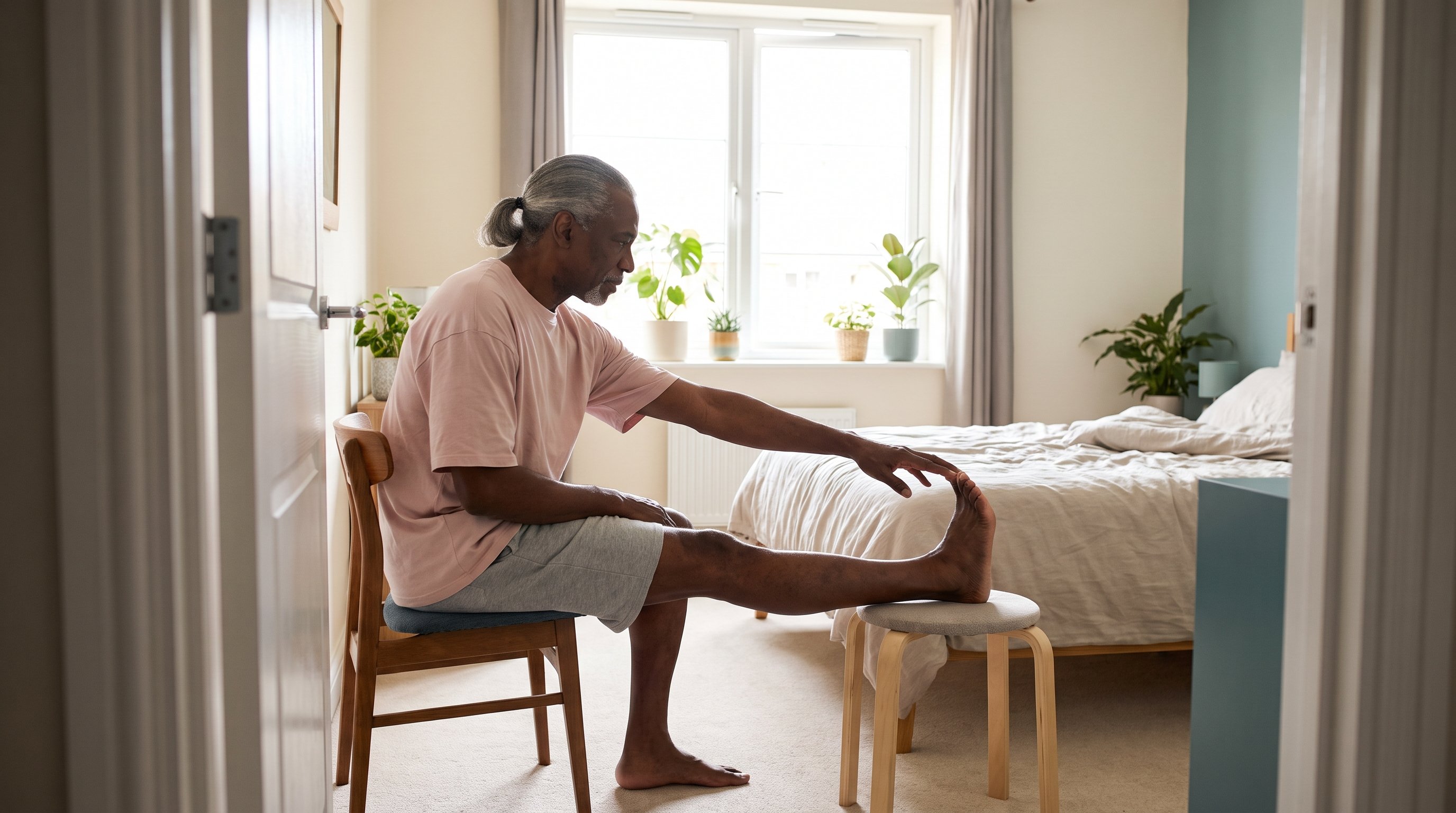
Stretches for lower back pain work by easing tight muscles and restoring movement to joints that have gotten stiff from sitting or guarding against pain.
Tight hip flexors, hamstrings and the muscles running along the spine all pull on the lower back. Loosening them gives the area more room to move without strain.
This guide covers whether stretching actually helps, how the mechanism works, how often to stretch, and the mistakes that quietly stall progress.
Do Stretches for Lower Back Pain Actually Work
Stretching does not fix a structural problem, but it can reduce the muscle tension that makes everyday movement feel harder than it should.
When muscles around the spine are tight, they restrict how far the joints can move, and that restriction often shows up as stiffness or discomfort when bending, sitting or standing.
Here is the honest arithmetic: a few minutes of stretching spread across a week adds up to more total movement than one long session once a month.
Five minutes a day, seven days a week, comes to 35 minutes of deliberate movement. One 40-minute session every few weeks cannot match that frequency, and frequency is what keeps tissue adaptable.
How Stretching Eases Tension in the Lower Back
Two things happen when you stretch consistently: the muscles themselves lengthen slightly over time, and the nervous system gets more comfortable allowing that range of motion.
Muscle Length and Tightness
Muscles that are held in a shortened position for long periods, like hip flexors during hours of sitting, pull on the pelvis and lower spine. Gentle, repeated stretching gives those muscles a chance to lengthen back towards their normal resting range.
Nervous System and Guarding
When the lower back feels vulnerable, the surrounding muscles often tighten up as a protective reflex, which can make movement feel more restricted than it actually is. Slow, controlled stretching signals to the nervous system that the movement is safe, which can ease that protective guarding over time.
How Often You Should Stretch a Sore Lower Back
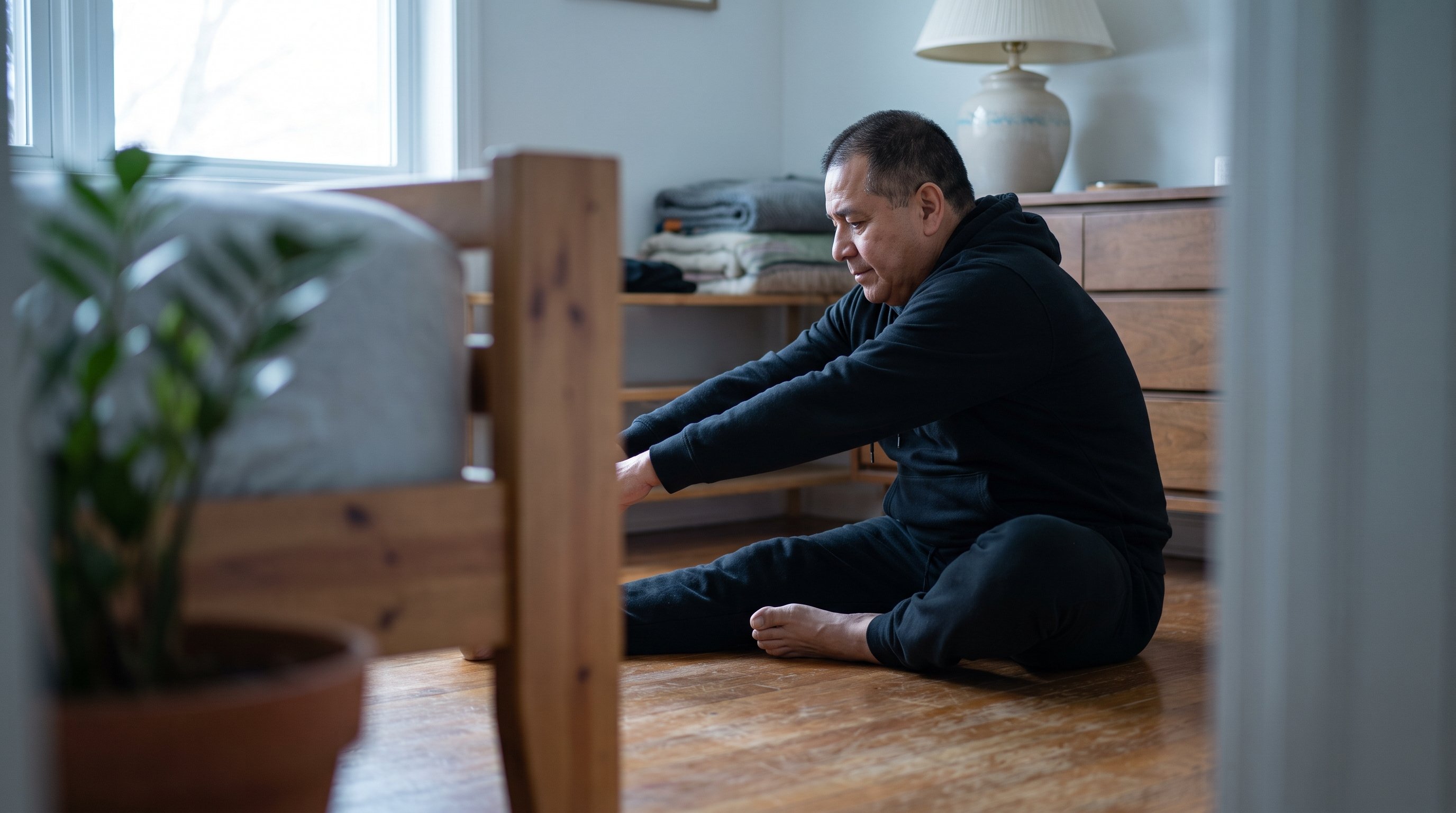
Short, frequent sessions beat rare long ones for this kind of stiffness, because the tissue responds better to regular, gentle input than to occasional intensity.
Building a Simple Weekly Pattern
A handful of stretches done daily, held for a short count each, is enough to start noticing a difference in how the lower back feels during normal movement. Consistency matters more than duration here.
| Stretch | Frequency | Hold Time |
|---|---|---|
| Knee to chest | Daily | 20-30 seconds |
| Seated hamstring stretch | Daily | 20-30 seconds |
| Cat cow movement | Daily | 8-10 slow reps |
| Child's pose | 4-5 times a week | 30 seconds |
| Hip flexor stretch | Daily | 20-30 seconds |
Stretching Daily Versus Pushing Through an Intense Workout
A short daily stretch routine is easier to stick with than an intense gym session aimed at the same goal, and adherence is what actually drives results over time.
An intense back and core workout might feel more productive in the moment, but it asks for more time, more energy and more recovery, which makes it easier to skip on a tired evening.
A five-minute stretch routine asks for almost nothing in return. It fits before bed, after a shower, or during a work break, which means it actually gets done.
Sessions completed each month matter more than how hard any single session was, so the lower-effort option that keeps happening will usually beat the harder one that keeps getting postponed.
Making Lower Back Stretches Part of a Busy Day
The hardest part of any stretching routine is not the stretching itself, it is remembering to do it on the days life gets in the way.
Pairing the routine with something already in the daily schedule, like right after waking up or right before brushing teeth, removes the need to think about it.
A tailored stretching app builds this kind of routine around targeted exercises for your main pain triggers and target areas, so the stretches suggested actually match what the lower back needs rather than a generic list.
Daily habit trackers inside the app also keep the routine visible, so skipping a day becomes obvious instead of easy to forget.
Why Stretching Will Not Erase Back Pain Overnight
No stretch, routine or app makes lower back pain disappear overnight, and anything promising that is overselling what movement can do.
The body does not respond to stretching the way a light switch responds to a flick. Tissue changes slowly, and tension built up over months of sitting does not unwind in a single session.
The real answer is less exciting but more honest: stretching, done consistently over time, tends to make the lower back feel more mobile and less tight during everyday movement.
There is also no such thing as targeting fat or tension in just one spot of the body. Stretching works on the muscles and joints involved, not on a single area in isolation.
What Changes the Results From a Stretching Routine
Three factors tend to matter more than anything else regarding how much a stretching routine actually helps.
Factors That Shape Your Results
- Consistency over weeks - a short routine done daily outperforms a long one done occasionally, because tissue adapts to repeated, gentle input.
- Matching stretches to the actual tight area - hip flexors, hamstrings and spinal muscles each need a different stretch, so a routine aimed at the wrong muscle group wastes time.
- How the rest of the day is spent - long stretches of sitting or standing without a break can undo some of what a morning stretch achieved.
Common Mistakes People Make With Back Stretches
Stretching Too Hard, Too Fast
Pushing into a stretch until it hurts can trigger the same protective guarding the stretch is meant to ease. Go to a point of mild tension, not pain, and let the muscle release gradually.
Only Stretching When Pain Shows Up
Waiting for discomfort before stretching means the muscles have already tightened considerably. A short daily routine, done whether or not anything hurts, keeps tension from building up in the first place.
Holding the Breath During a Stretch
Tensing up and holding the breath makes muscles contract rather than release. Slow, steady breathing through each hold helps the muscle actually lengthen.
Skipping the Surrounding Muscles
Focusing only on the lower back itself and ignoring the hips and hamstrings leaves part of the problem untouched. These areas work together, so a routine that covers all of them tends to go further.

Building Consistent Lower Back Relief With Painletics
Sticking with a stretching routine long enough to notice a difference is often harder than the stretches themselves.
Painletics brings together tailored exercises for your pain triggers, daily habit trackers, and guided audio and video routines, so the stretches fit into a schedule instead of competing with it.
The app's lifestyle challenges and specialist-curated article library also give a reason to keep showing up beyond just the stretching itself, which is often what keeps a routine going past the first week.

Move Without Pain
Ease Neck And Back Tension
Starting Your Lower Back Stretch Routine Today
The simplest way to start is to pick two or three stretches from the table above and do them tonight, before thinking about the rest of the routine.
A tailored stretching app like Painletics can help turn that first evening into a habit that actually sticks, with tailored routines and daily tracking built to support a pain-free lifestyle.
FAQ
There is no fixed timeline, and it varies by person and how tight the muscles are to begin with. What matters more than speed is doing the routine consistently rather than chasing a quick result.
Stretching alone moves the needle slowly, since movement without any change to daily habits like sitting time or hydration tends to plateau. Pairing stretches with small lifestyle changes tends to go further than stretching in isolation.
The routines in this guide take just a few minutes, which is the whole point, since a short daily session is far easier to keep than a long occasional one. Painletics also lets the routine fit around an existing schedule with short audio and video sessions.
Stiffness often returns when the daily stretching habit lapses, since muscles that were given room to lengthen can shorten again without regular input. Restarting the same short routine, rather than waiting for things to get worse, tends to bring things back on track.
Share this post