Yoga for Lower Back Pain: A Gentle Path to Moving Easier
By:Author:Painletics Editorial
Updated on:October 23, 2026
- Does Yoga Really Help a Sore Lower Back
- Yoga Versus Standard Stretching for Back Pain
- Why Short Yoga Sessions Beat Occasional Long Workouts
- Adapting Yoga for Different Bodies and Schedules
- Fitting a Back-Friendly Yoga Routine Into a Busy Week
- No, Yoga Will Not Erase Back Pain Overnight
- Building a Lower Back Yoga Habit With Painletics
- Starting a Lower Back Yoga Routine This Week
Yoga for lower back pain works by moving stiff joints through a gentle range while easing tension in the muscles that guard a sore spine. It doesn't fix a structural problem overnight, but the slow stretching and controlled breathing can take the edge off tight hips, hamstrings and lower back muscles that tend to pull on each other.
The mechanism is simple: tight tissue restricts movement, restricted movement increases stiffness, and stiffness often reads as pain. Yoga interrupts that loop with slow, repeatable motion instead of forcing a stretch the body isn't ready for.
This article covers whether yoga actually helps, how it compares with other options, who needs to adapt it, and how to build a routine that fits an ordinary week.
Does Yoga Really Help a Sore Lower Back
Yoga helps a sore lower back by combining gentle stretching with controlled breathing, which can reduce the guarding response that tight muscles produce around an irritated spine.
The Mechanism in Plain Terms
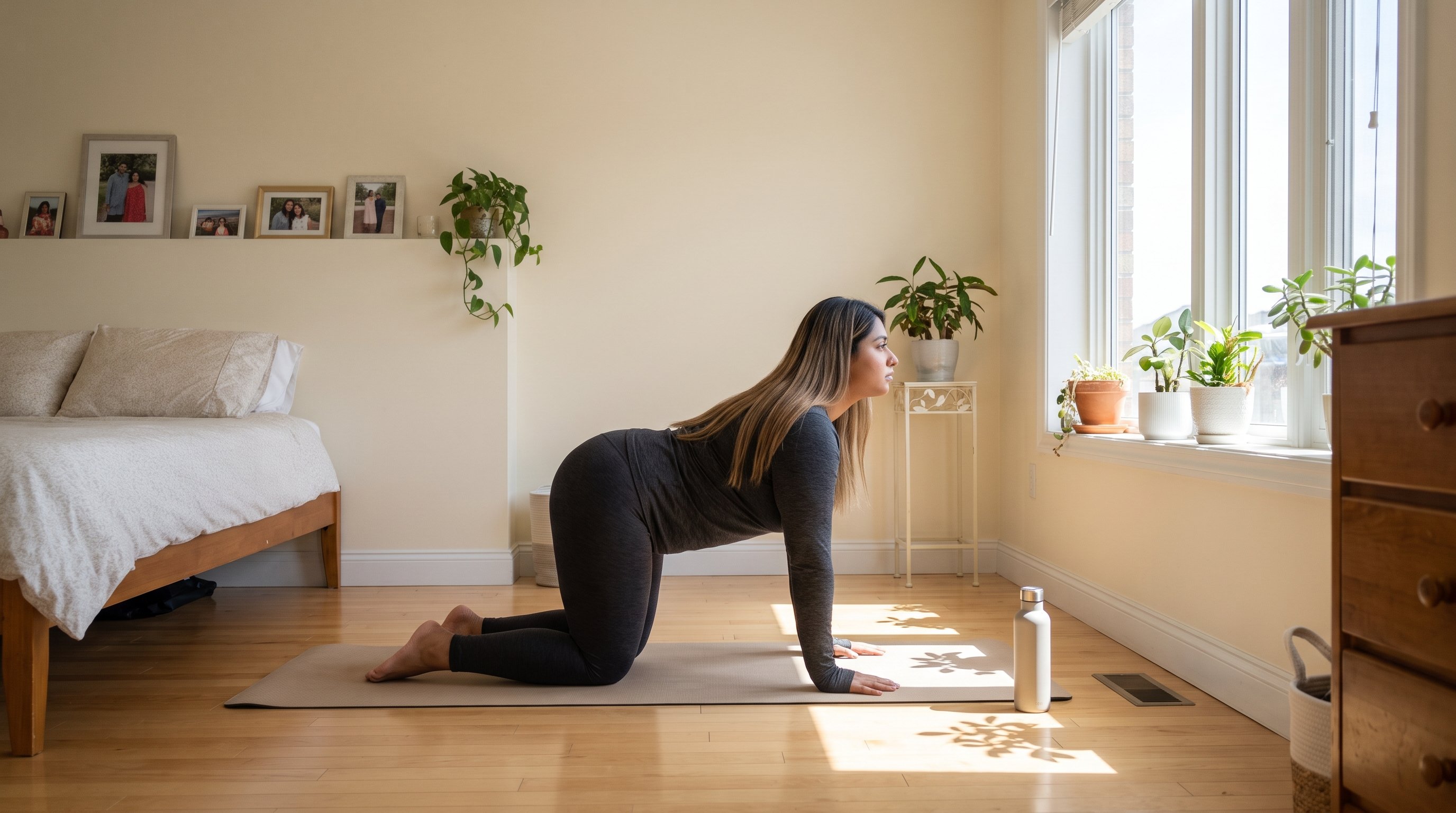
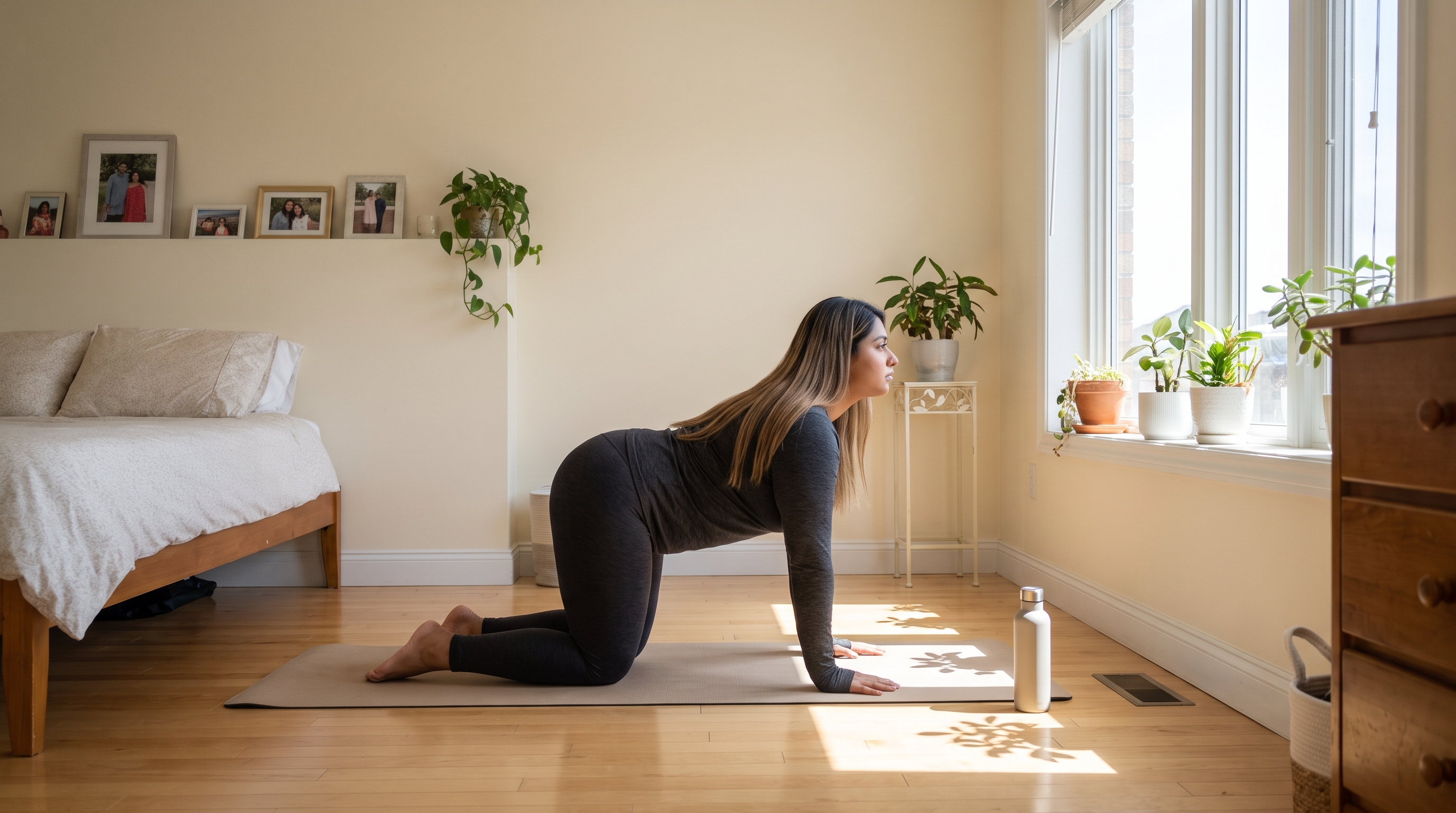
Poses like cat-cow or child's pose move the spine through small ranges of flexion and extension without loading it heavily, which keeps joints moving instead of locking up.
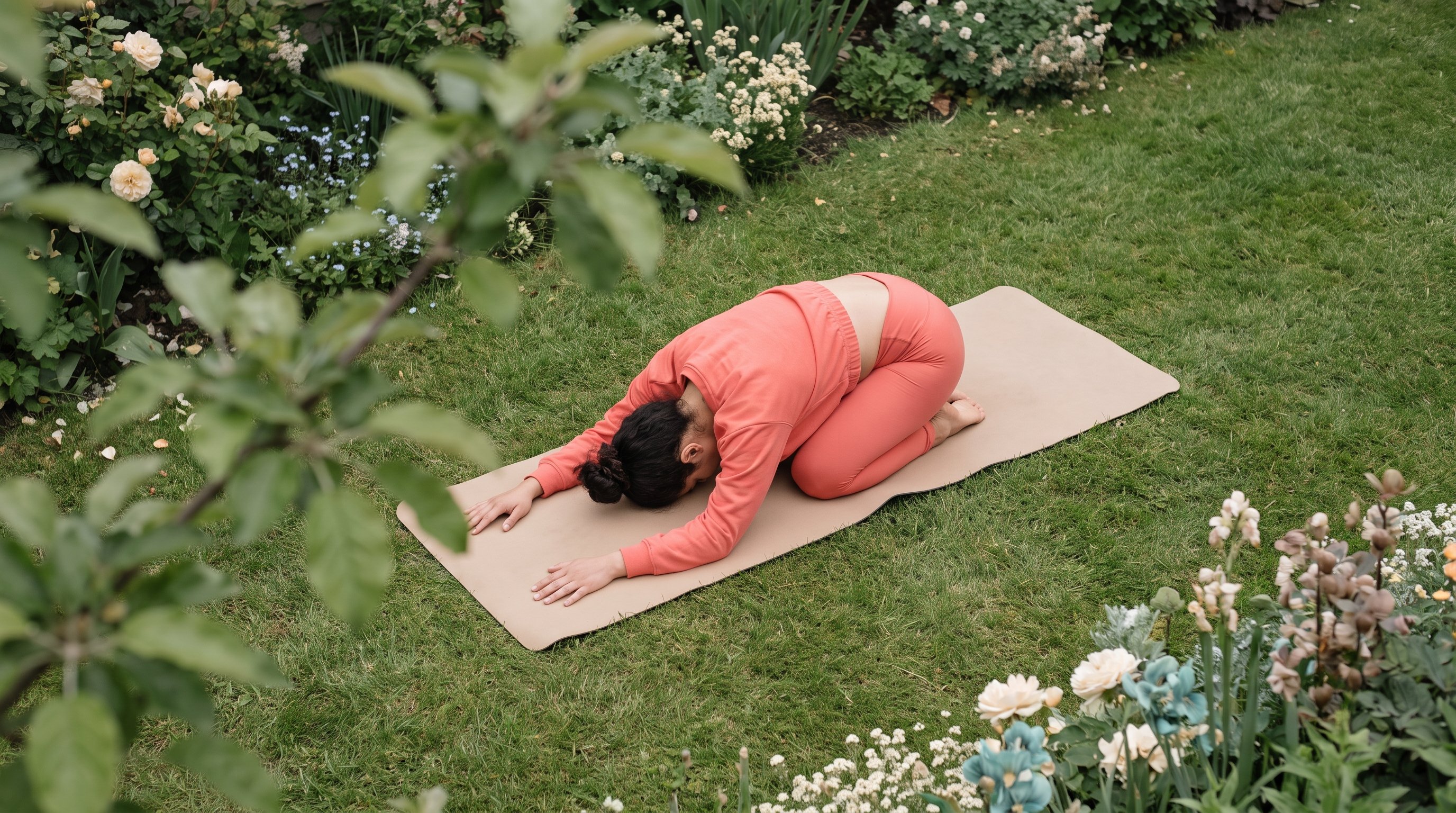
The breathing side matters too. Slower breathing tends to lower general muscle tension, and less tension around the lower back often means less pulling on an already sensitive area.
The Honest Arithmetic
Ten minutes of gentle yoga a day adds up to roughly 70 minutes a week, which is a realistic dose most people can fit in without reorganising their whole schedule.
Three short sessions a week still total around 30 minutes, which is less impressive on paper but far easier to sustain than one long session that gets skipped when life gets busy.
Yoga Versus Standard Stretching for Back Pain
The real decision most people face is whether to follow a yoga sequence or a standard stretching routine for a stiff lower back.
Both involve stretching, but they differ in structure, pacing and how much breathing work is built in.
| Factor | Yoga | Standard Stretching |
|---|---|---|
| Pacing | Slow, held poses | Shorter, repeated holds |
| Breathing focus | Built into every pose | Often an afterthought |
| Sequence flow | Linked movements | Standalone stretches |
| Equipment | Mat, maybe a block | Usually none needed |
| Time per session | 15 to 30 minutes | 5 to 10 minutes |
Neither option is automatically better. The right pick depends on which one someone will actually keep doing.
Why Short Yoga Sessions Beat Occasional Long Workouts
A short daily yoga routine almost always beats an occasional long workout, because consistency is what changes how a stiff lower back feels over time.
An intense hour-long session once a week sounds productive, but it asks a tight, guarded back to do a lot of work at once, which can leave it feeling worse rather than better.
Ten gentle minutes most days keeps the spine moving regularly, and regular movement is what prevents the stiffness cycle from resetting every few days.
Consistency is unglamorous and it wins anyway. A routine someone actually finishes beats an ambitious one that gets abandoned after week two.
Adapting Yoga for Different Bodies and Schedules
Beginners Starting From Scratch
Anyone new to yoga should stick to a handful of basic poses - cat-cow, child's pose, knees-to-chest - rather than attempting a full sequence on day one.
People With Packed Schedules
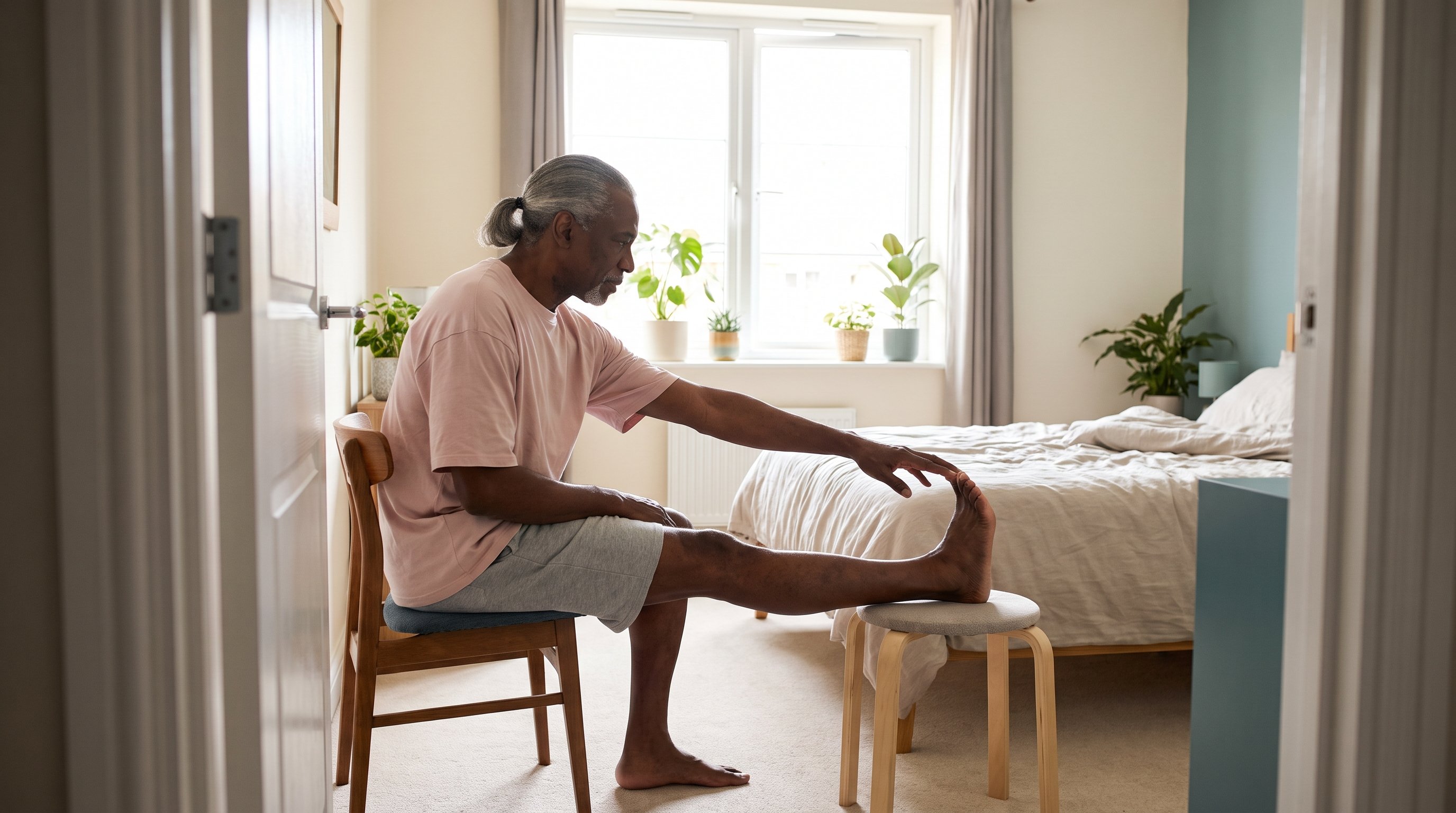
Busy people can fold yoga into existing routines, doing a few poses beside the bed in the morning or during a work break rather than treating it as a separate appointment.
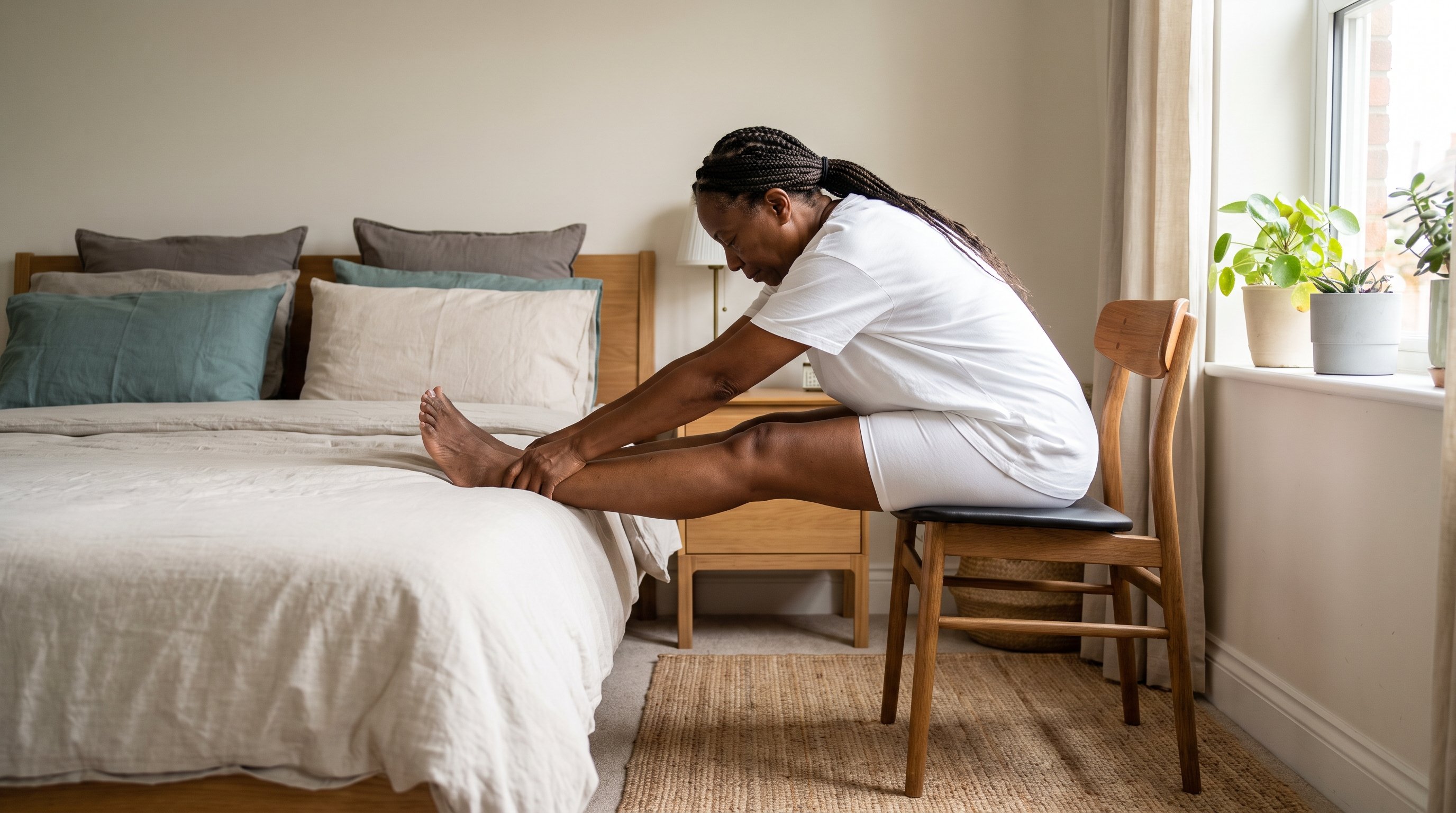
Older Adults and Stiffer Joints
Older adults may need chairs or walls for support during balance-based poses, and holding each position for a shorter time is a reasonable way to build tolerance gradually.
Anyone Recovering From a Flare-Up
During a flare-up, smaller ranges of motion and shorter holds matter more than ambitious stretching, since the goal is gentle movement, not maximum flexibility.
Fitting a Back-Friendly Yoga Routine Into a Busy Week
The biggest obstacle to any yoga routine isn't the poses themselves, it's remembering to do them and tracking whether they're actually happening regularly.
Pairing a short sequence with an existing habit, like brushing teeth or making coffee, removes the decision-making and turns it into something automatic.
This is where Painletics fits in. The app offers customized exercises tailored to lower back triggers, along with daily habit trackers that make it easier to see whether a routine is actually sticking week to week.
Audio and video routines mean a session can be followed without guessing whether a pose is held correctly, and the exclusive content library keeps information fresh instead of repeating the same few tips.
No, Yoga Will Not Erase Back Pain Overnight
The idea that a single yoga class can erase lower back pain overnight isn't how the body works, and it's worth saying plainly rather than implying it quietly.
Muscles and joints adapt gradually to new movement patterns, and tension that's built up over months doesn't release after one stretch session.
The real answer is slower and less exciting: gentle, repeated movement over weeks tends to change how a back feels far more than any single dramatic session ever could.
Expecting gradual change rather than instant relief makes it easier to stick with a routine long enough for it to actually matter.
Building a Lower Back Yoga Habit With Painletics
Sticking with any yoga routine for a lower back usually comes down to two things: knowing which poses to do and having a way to see progress over time.
Painletics brings both pieces together, pairing customized exercises aimed at specific pain triggers with trackers for daily habits like hydration and movement goals.
The lifestyle challenges inside the app offer small, structured changes that nudge a routine forward without demanding a complete schedule overhaul, and the specialist-curated article library keeps motivation topped up when interest starts to dip.
Move Without Pain
Ease Neck And Back Tension
Starting a Lower Back Yoga Routine This Week
The most useful step is picking two or three gentle poses and doing them most days, rather than waiting for a perfect, longer routine to begin.
Painletics can help turn that first small step into a habit that holds, with routines and trackers built around what someone's back actually needs.
FAQ
There's no fixed timeline, since it depends on how long the stiffness has built up and how consistently someone practises. Gentle, regular sessions tend to matter more than how intense any single session feels.
Gentleness is the point, not a drawback, because a guarded lower back responds better to small, controlled movement than to forceful stretching. Slow progress still counts as progress.
A full class isn't necessary, since a handful of poses done for a few minutes most days can fit into a short break or morning routine. Painletics offers shorter audio and video routines built for exactly this kind of schedule.
Some stiffness takes longer to respond than others, and adjusting pose selection or frequency is often more useful than stopping altogether. Tracking sessions over time makes it easier to spot small improvements that might otherwise go unnoticed.
Share this post