Lower Back And Hip Pain: A Guide To Moving Easier
By:Author:Painletics Editorial
Updated on:October 23, 2026
- Does Gentle Movement Actually Help Hip and Back Pain
- Mobility Routine Versus Painkillers for Daily Relief
- Why Short Daily Sessions Beat One Weekly Workout
- Adapting Hip and Back Relief to Different Situations
- Making Lower Back and Hip Relief Fit a Busy Week
- No, Stretching Will Not Fix Hip and Back Pain Overnight
- Tracking Lower Back and Hip Progress With Painletics
- Starting a Hip and Lower Back Routine This Week
Lower back and hip pain tend to show up together because the two areas share muscles, nerves and movement patterns - loosen one and the other often feels the benefit within the same session.
The hips and lower back work as a team during almost every daily movement, from standing up to walking to bending over to pick something up. When one side gets tight or weak, the other side compensates, and that compensation is where a lot of nagging discomfort starts.
This article looks at whether movement actually helps, what a realistic comparison of options looks like, who needs to adapt the approach and how, and what to expect over time without promising anything the body cannot deliver.
Does Gentle Movement Actually Help Hip and Back Pain
Gentle, regular movement works on lower back and hip pain because it keeps the surrounding muscles and joints supplied with blood flow and reduces the stiffness that builds up from sitting or staying still too long.
The hip flexors, glutes and lower back muscles all attach around the pelvis, so tightness in one group pulls on the others. Moving through a full, comfortable range of motion a few times a week helps those muscles stay long enough and strong enough to share the load properly.
The Simple Arithmetic
If someone does a 10-minute mobility session 4 times a week, that is 40 minutes of movement - compare that to zero minutes for someone who waits until pain flares up to do anything at all. Forty minutes a week is not a dramatic number, but it is 40 minutes more than the alternative, and consistency is what adds up over weeks.
None of this is a cure, and it will not undo years of sitting in a single week. But small, repeated input into the hips and lower back is a reasonable, low-risk way to support how those joints feel day to day.
Mobility Routine Versus Painkillers for Daily Relief
A lot of people weigh up two options when hip and back pain flare: reach for a quick fix or build a short daily movement habit.
Here is how the two compare on the things that actually matter for day-to-day life.

| Approach | Time Cost | Long-Term Fit | Addresses Cause |
|---|---|---|---|
| Mobility routine | 10 to 15 min daily | Builds over weeks | Targets stiffness directly |
| Quick fix only | A few minutes | Resets each time | Masks discomfort briefly |
| Mobility routine | Fits most schedules | Supports daily movement | Improves joint range |
| Quick fix only | Repeats as needed | No lasting habit | No change to tightness |
| Mobility routine | Low equipment need | Becomes routine | Shares load across hips |
Neither option is wrong on its own, but only one of them builds toward anything over time.
Why Short Daily Sessions Beat One Weekly Workout
A single intense session once a week asks a lot of stiff hips and a tight lower back all at once, and that is exactly when people tend to overdo it and skip the following week out of soreness.
Short daily sessions spread the same total effort across the week, which is gentler on the joints and far easier to keep showing up for.
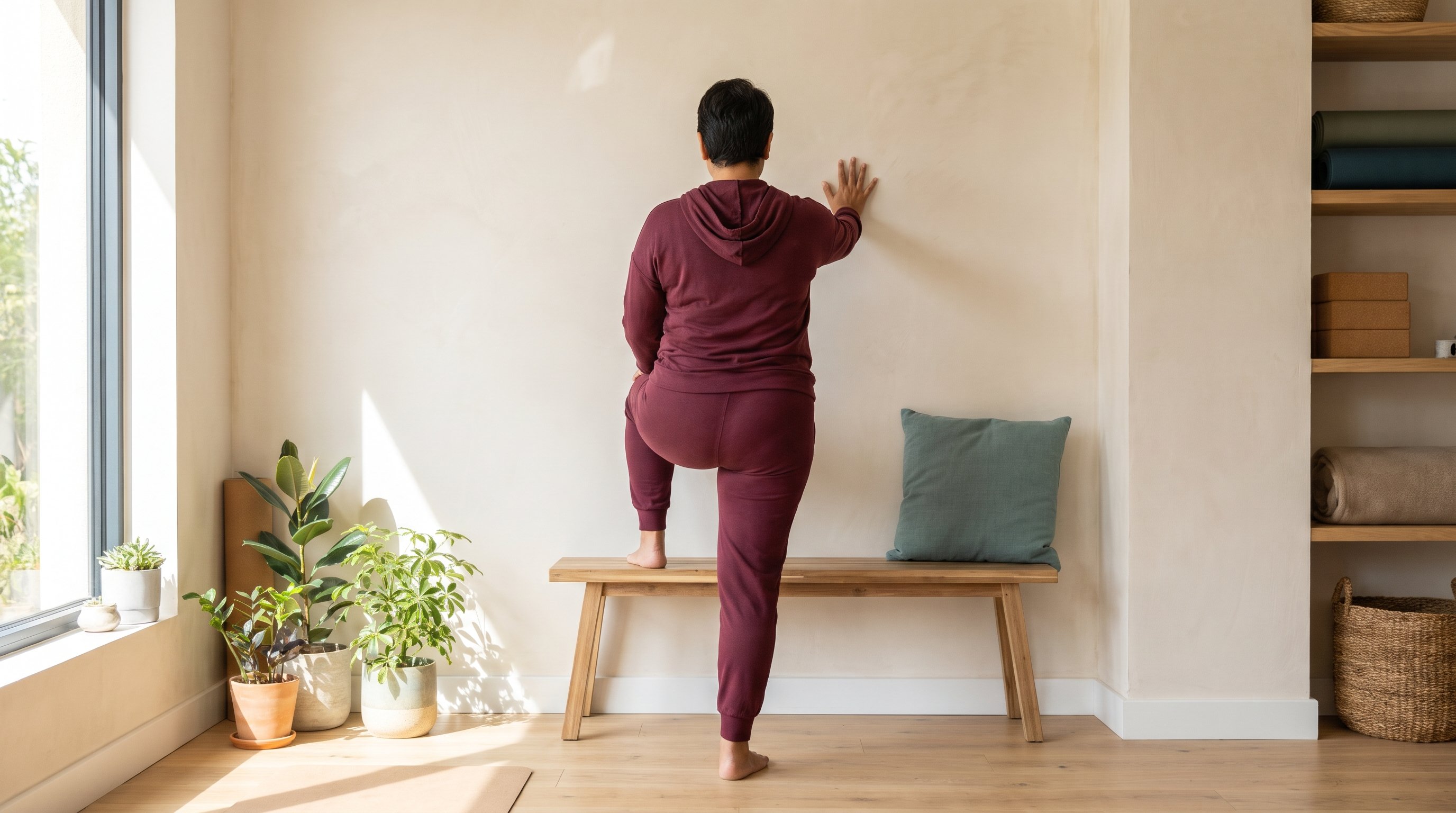
Adherence beats intensity here. A 10-minute routine done 5 days in a row adds up to more total movement, and far less risk of a flare-up, than one 50-minute session squeezed in on a Sunday.
The body responds to what it experiences regularly, not what it experiences occasionally and intensely. That is the whole case for picking the smaller, repeatable option over the bigger, harder one.
Adapting Hip and Back Relief to Different Situations
Just Starting Out
Beginners should keep movements slow and well within a comfortable range, since the goal early on is teaching the hips and lower back to move freely again, not pushing a stretch as far as it will go.
Stuck at a Desk All Day
Anyone sitting for long stretches benefits from breaking the day up with a couple of short standing or seated movement breaks, since prolonged sitting is one of the biggest contributors to tight hip flexors pulling on the lower back.
Older Adults
Older adults tend to do well with a slower pace and a focus on balance and controlled movement, since the goal is steady, repeatable range of motion rather than speed or depth.
Already Fairly Active
People who already train regularly can use a short hip and lower back routine as a warm-up or cool-down, which often improves how the rest of their training feels too.
Making Lower Back and Hip Relief Fit a Busy Week
The hardest part of any mobility habit is not the exercises themselves - it is remembering to do them on the days life gets in the way.
Pairing a short routine with something already in the daily schedule, like right after brushing teeth or before the first coffee, removes the need to think about it at all.
This is where Painletics fits in: tailored exercises built around your main pain triggers and target areas, plus daily habit trackers for things like step goals and hydration, so the routine sits in one place instead of getting lost in a busy day.
Having the routine and the tracking together makes it easier to notice patterns, like which days get skipped and why, instead of guessing.
No, Stretching Will Not Fix Hip and Back Pain Overnight
There is no version of hip or lower back stretching that erases pain in one session, and anything promising that is overselling what movement can do.
The body does not work by targeting fat or tightness in one specific spot either - spot reduction is not a real mechanism, and neither is a single stretch dissolving months of built-up stiffness instantly.
The honest answer is that relief tends to build gradually, through repeated sessions that keep the hips and lower back moving well, not through one dramatic fix.
Being vague about exact timing is more honest than giving a number nobody can guarantee - what matters more is whether the routine is actually happening most days.
Tracking Lower Back and Hip Progress With Painletics
Staying consistent with hip and lower back movement is less about finding the perfect exercise and more about having a routine that is easy to return to, even on days motivation is low.
Painletics brings tailored exercises, daily habit trackers, lifestyle challenges and a library of exclusive content together in one spot, alongside audio and video routines built to fit around an existing schedule rather than demand a new one.
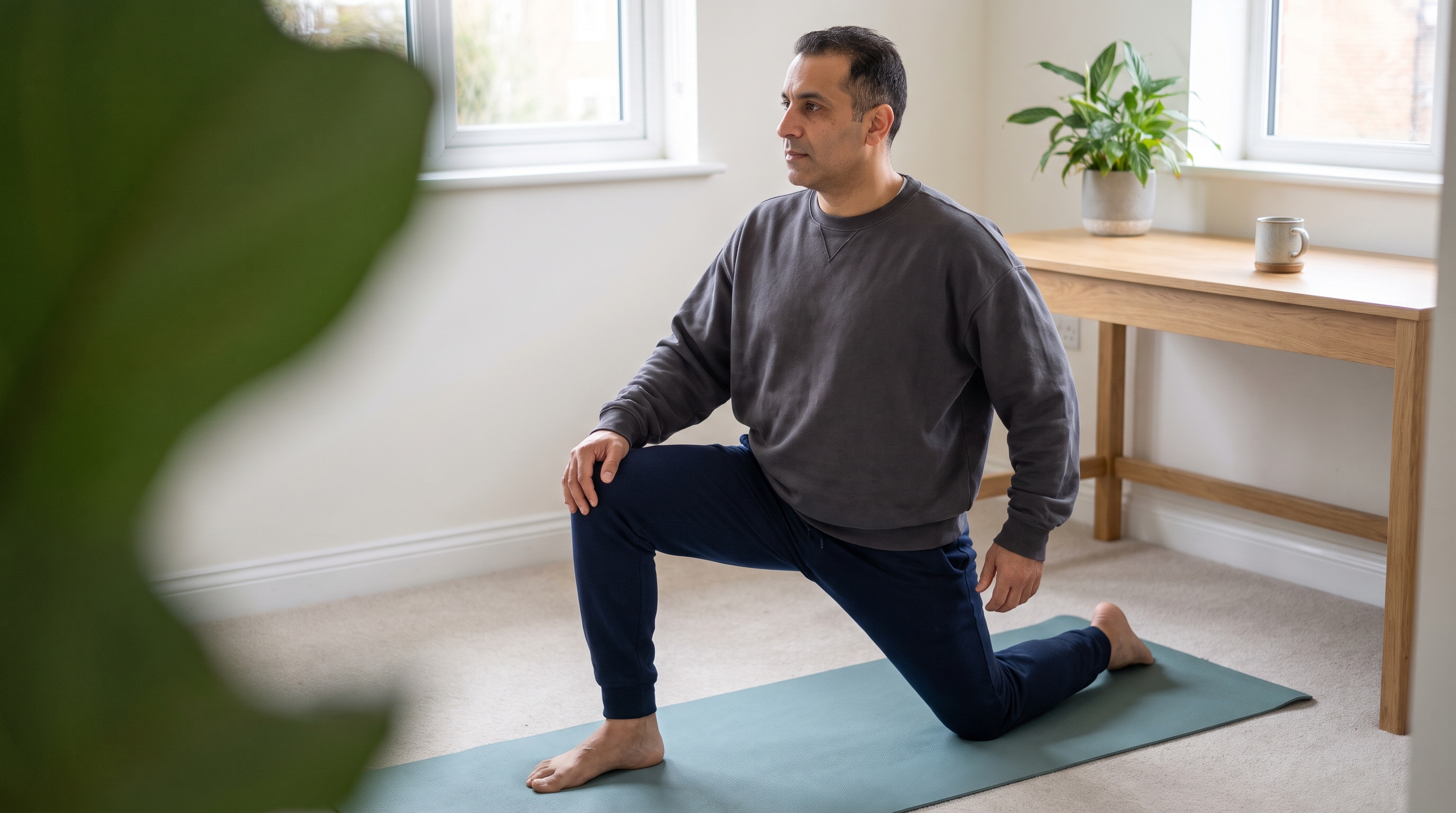
Move Without Pain
Ease Neck And Back Tension
Starting a Hip and Lower Back Routine This Week
The simplest next step is picking one short session and doing it today, not planning the perfect week first.
Painletics can help turn that one session into a routine worth keeping, with tailored exercises and tracking that make it easier to see the habit forming over time.
FAQ
There is no fixed timeline, since it depends on how consistently the movement happens and what else is going on day to day. Short, regular sessions tend to add up more reliably than occasional long ones.
Movement supports how the joints and muscles feel, but it works alongside other habits rather than replacing them entirely. Sitting less, moving more through the day and staying consistent all play a part.
Even a few minutes counts more than nothing, and Painletics is built around tailored exercises that fit into an existing schedule rather than demanding a long new one. Short sessions done consistently beat long sessions done rarely.
Most people stop because they expected faster results or because the routine never got attached to an existing daily habit. Keeping sessions short and placing them right after something already done every day, like getting dressed, tends to solve both problems.
Share this post