Low Impact Exercises for Seniors: A Gentler Path to Strength
By:Author:Painletics Editorial
Updated on:October 23, 2026
- What a Gentle Week of Movement Actually Looks Like
- How Much Low Impact Movement Actually Helps
- Why Gentle and Frequent Beats One Tough Workout
- Fitting Gentle Exercise Into an Ordinary Day
- Adjusting Low Impact Exercise to Different Situations
- What to Expect As a Routine Settles In
- Keeping Low Impact Exercise Consistent With Painletics
- Taking the First Step Toward Easier Movement
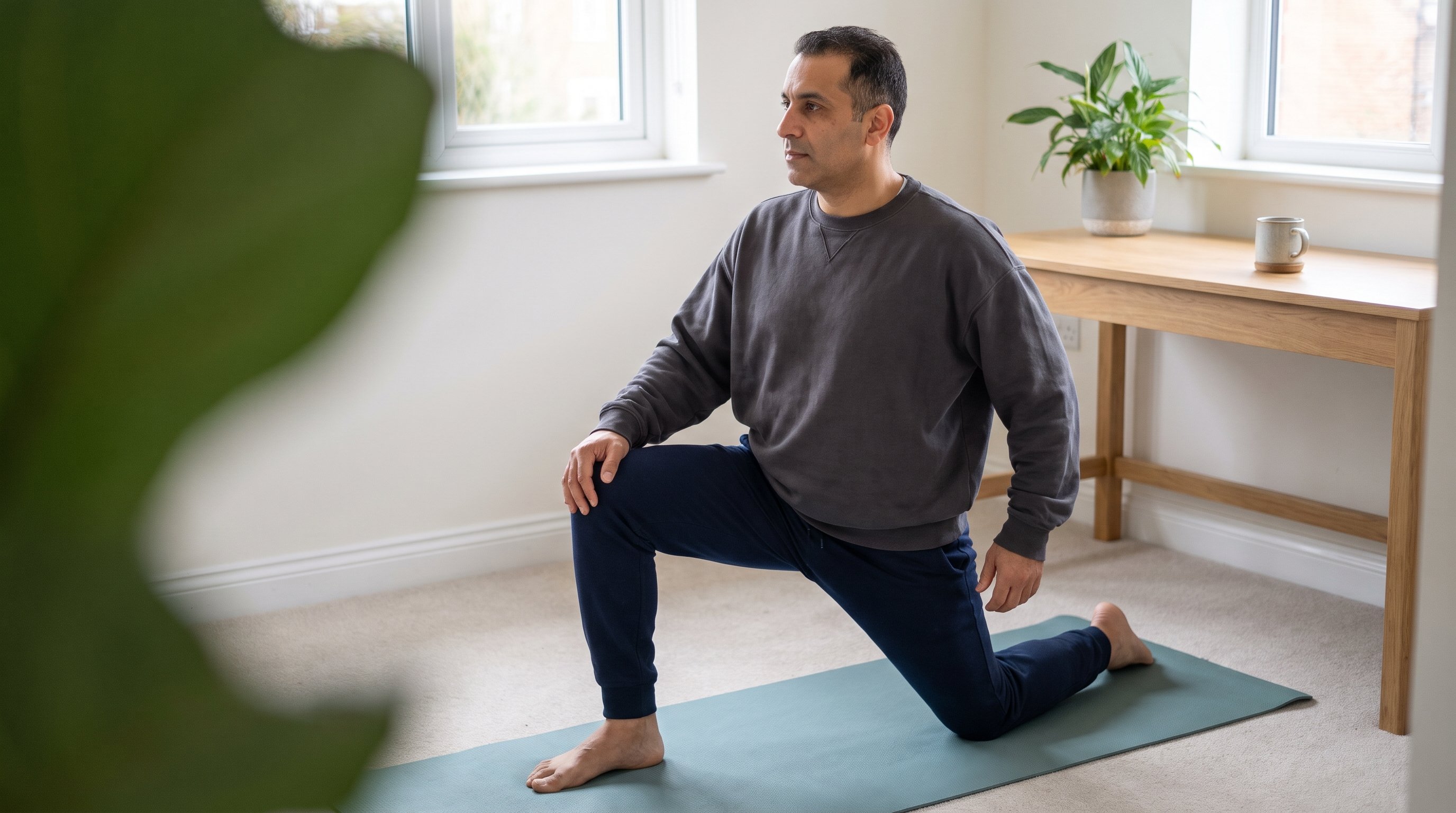
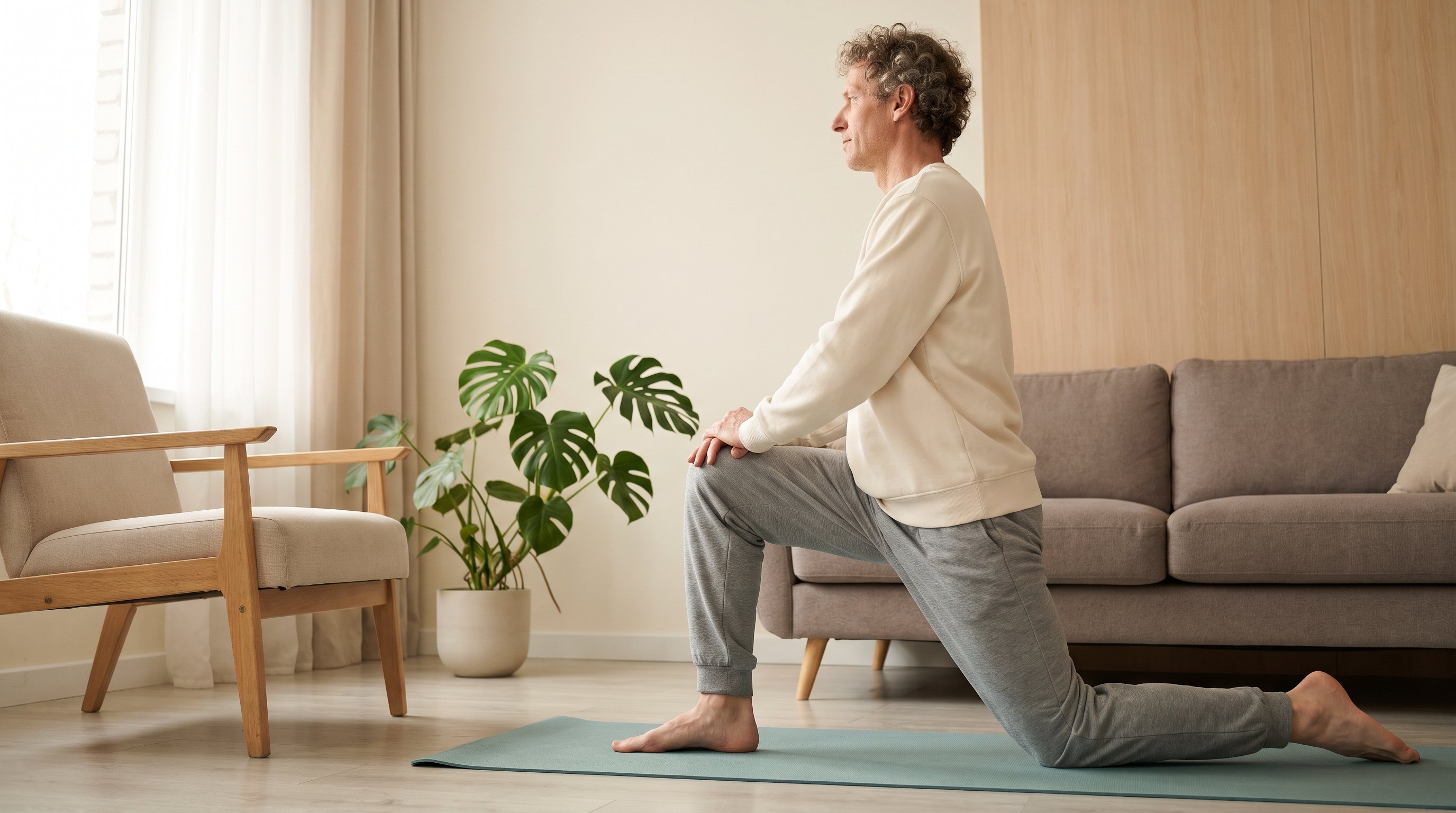
Low impact exercises for seniors are movements that keep at least one foot on the ground and avoid jarring the joints - think walking, seated marches, gentle resistance band work, and slow balance drills. They build strength and mobility without the pounding of running or jumping, which matters because joints and connective tissue handle repeated, gentler load better than sudden, sharp load.
The mechanism is simple: muscles and joints respond to consistent use, not to how hard a single session feels. Low impact movement gives the body that consistent use while keeping strain on tendons and cartilage manageable.
This article covers what a realistic week looks like, how much movement is actually useful, why gentle and frequent beats occasional and intense, and how to fit it all into a normal day without turning life upside down.
What a Gentle Week of Movement Actually Looks Like
A workable week does not need a gym or special equipment. It mixes walking, seated or standing mobility work, light resistance, and at least one proper rest day.
A Sample Week
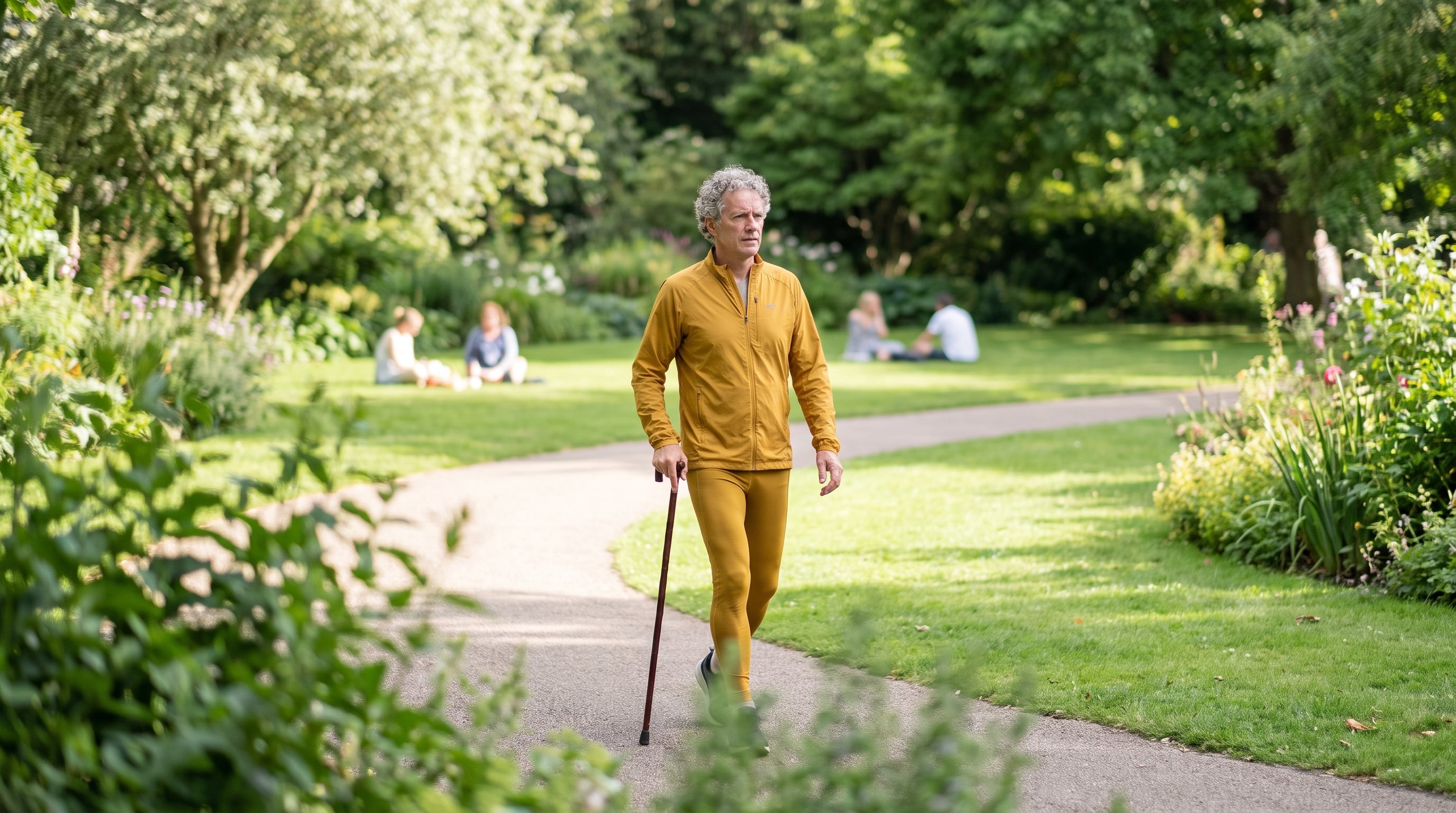
- Monday - 15 to 20 minute walk plus a few minutes of gentle stretching
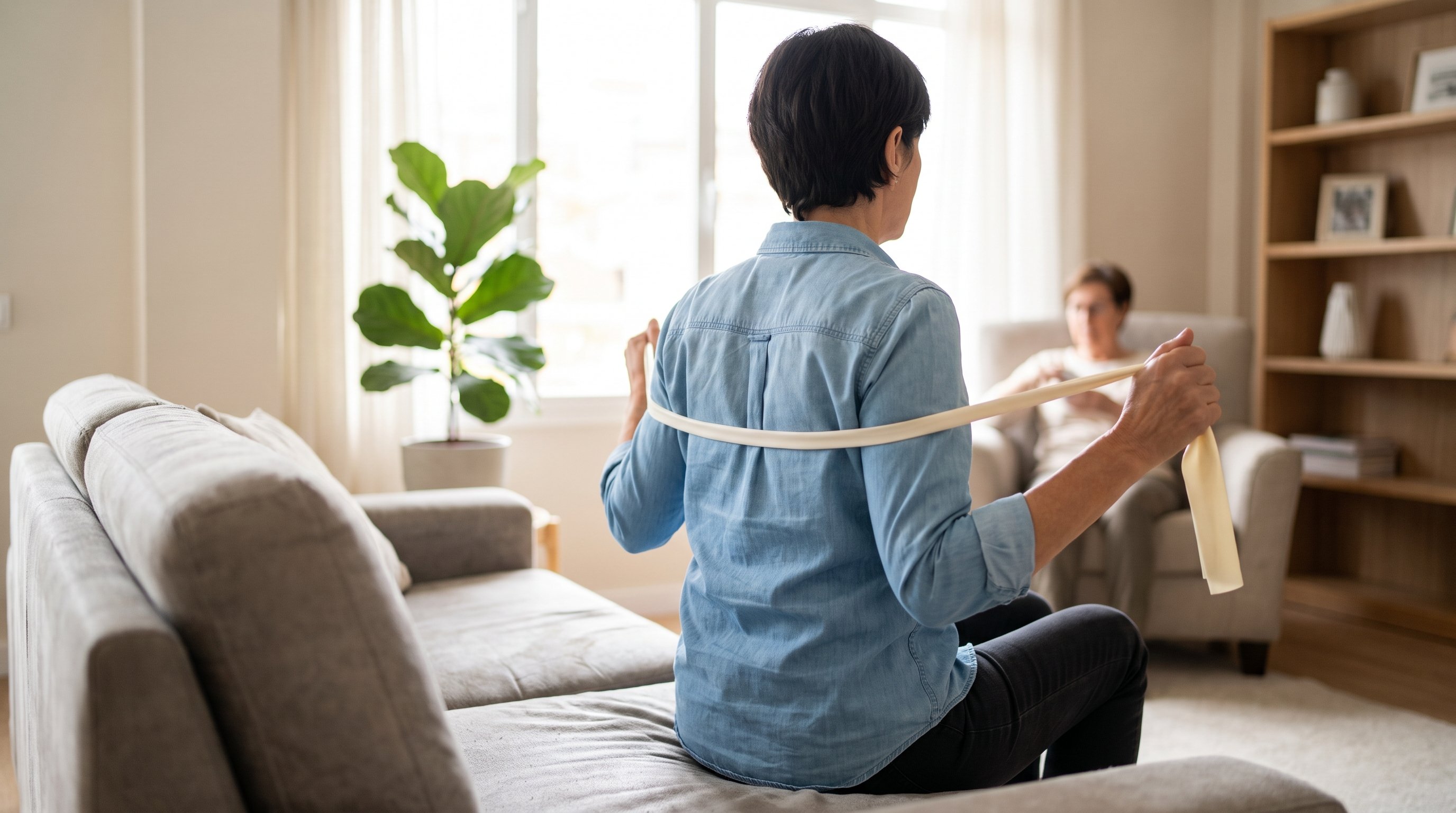
- Tuesday - Seated or standing resistance band exercises for arms and legs
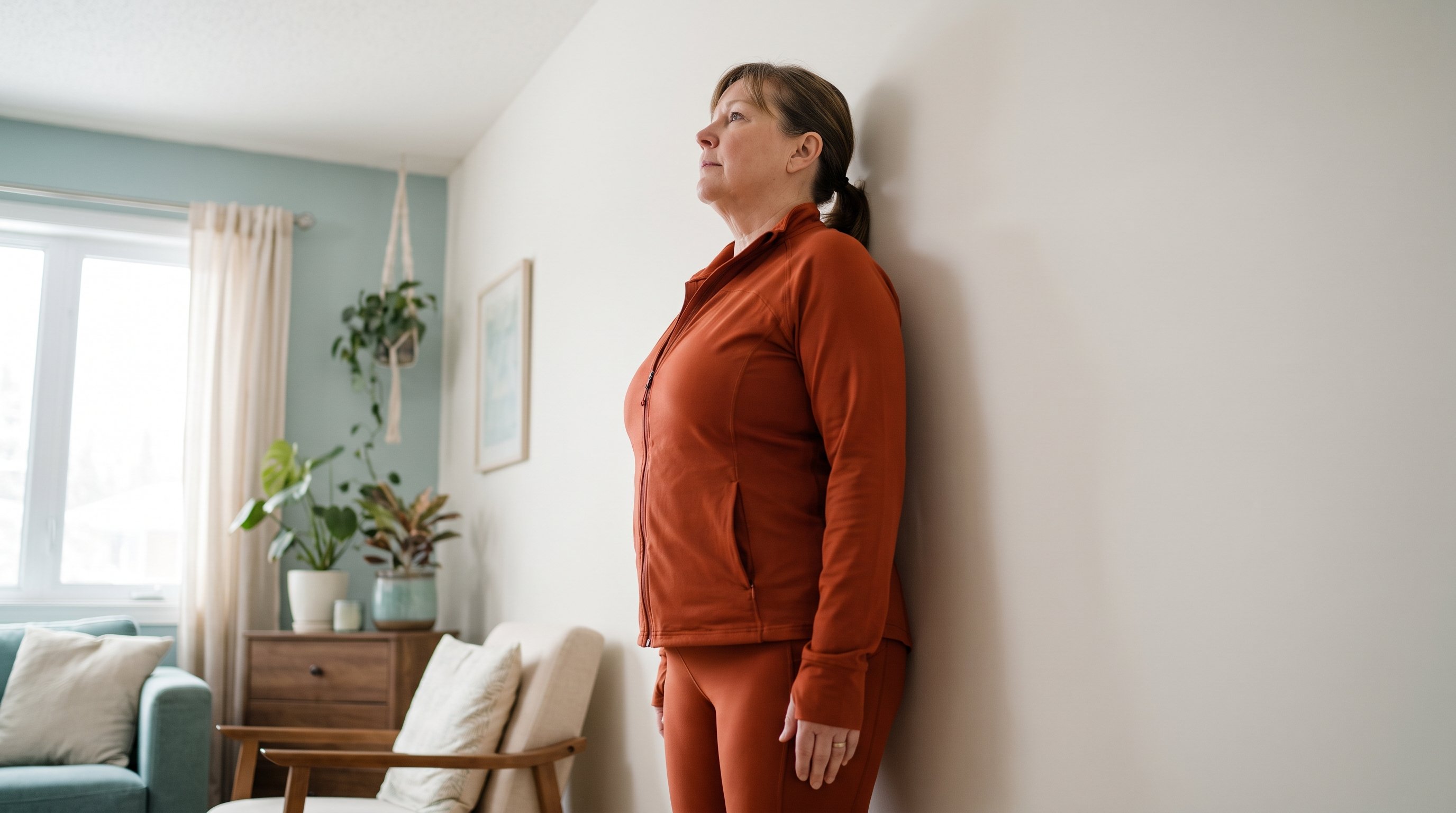
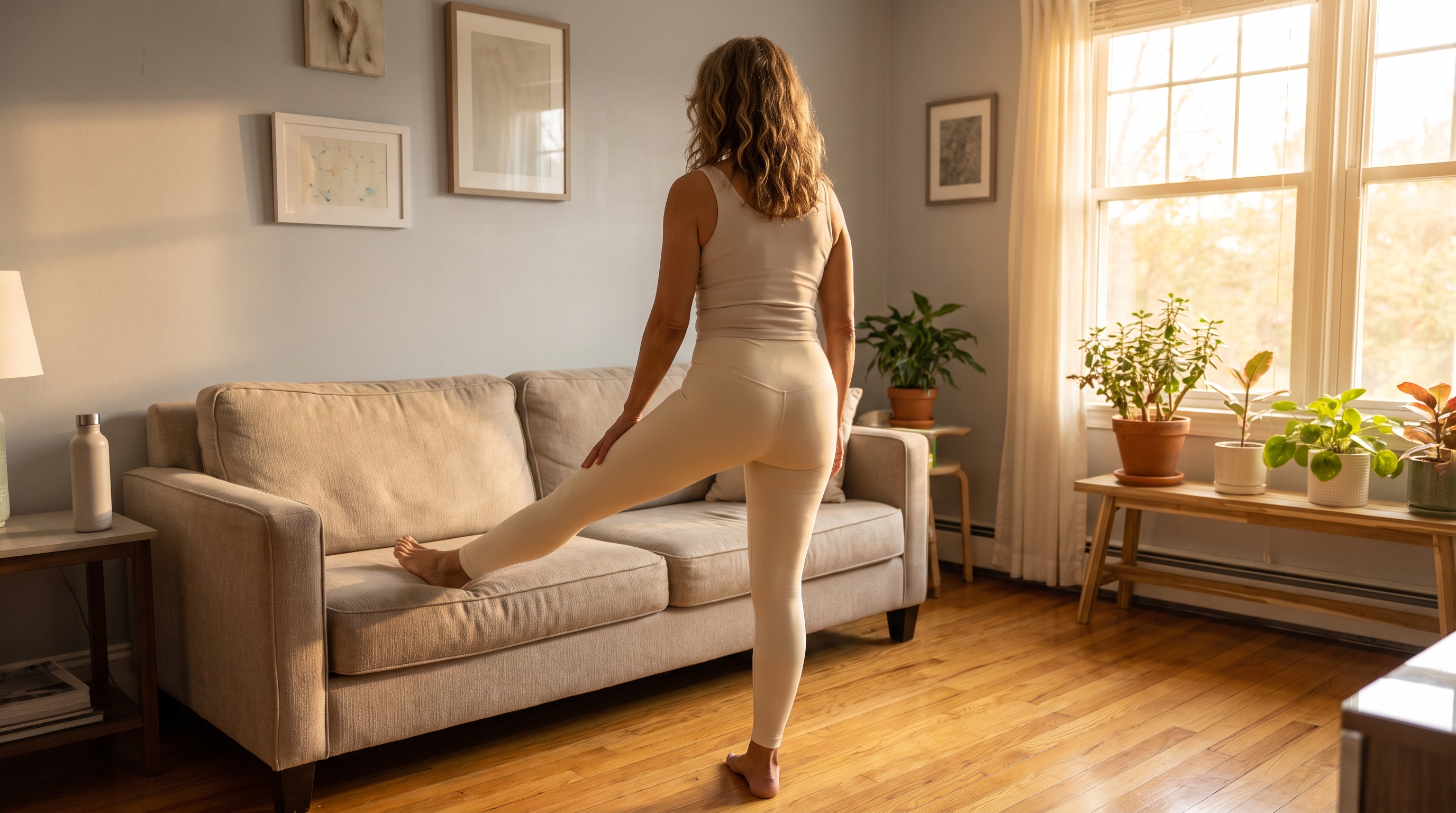
- Wednesday - Short walk plus balance drills like standing on one foot near a counter
- Thursday - Rest day, or light stretching only
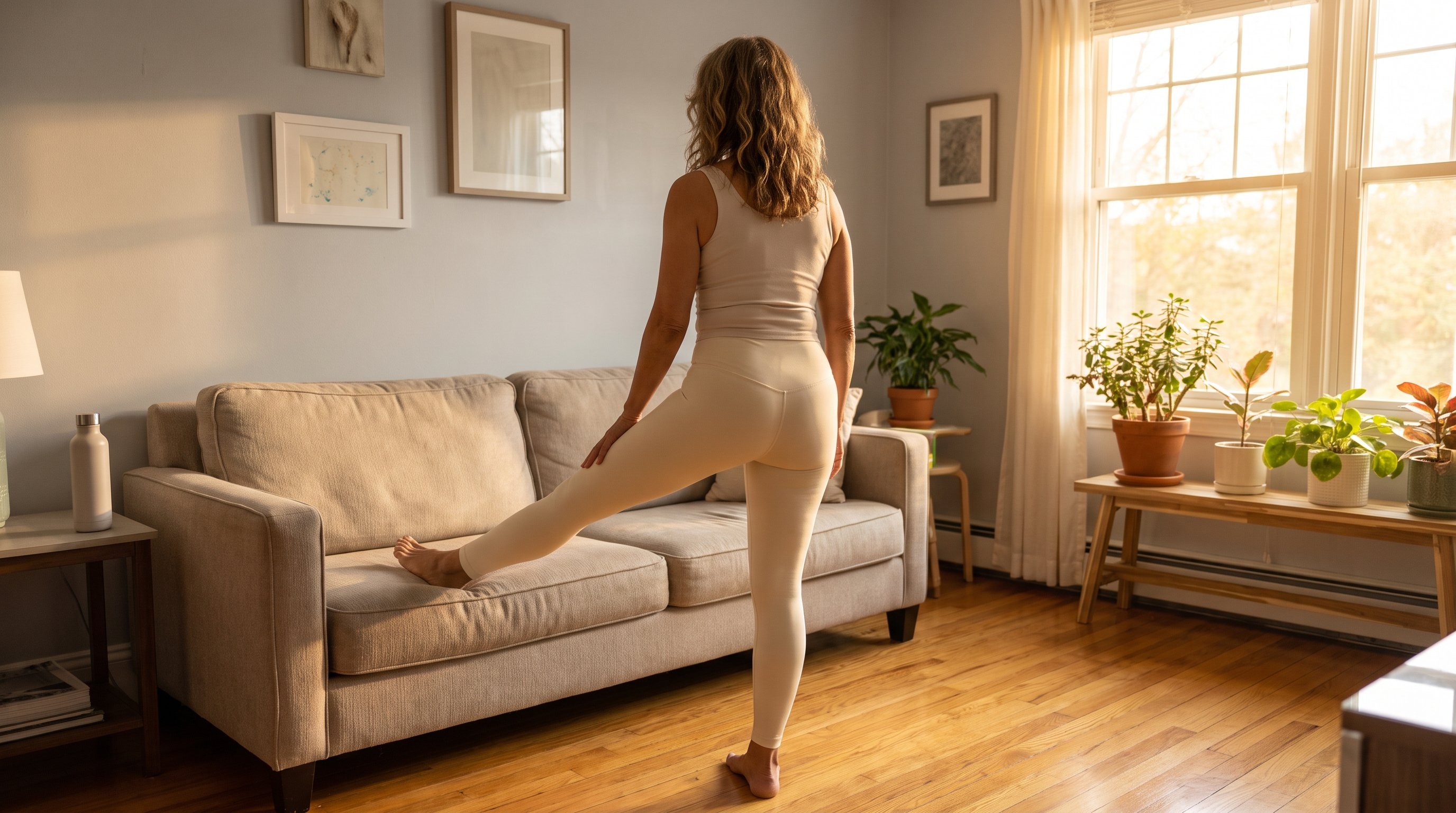
- Friday - Walk plus bodyweight moves like sit-to-stands from a chair
- Saturday - Longer, easy walk at a comfortable pace
- Sunday - Rest or a slow walk, whichever the body wants
How Much Low Impact Movement Actually Helps
There is no need to chase a long session every day. Short, frequent bouts of movement add up the same way regular deposits add up in a savings account.
Frequency Over Duration
Spreading movement across most days of the week gives joints and muscles repeated, gentle signals to stay capable, rather than one hard jolt followed by days of nothing.
| Activity | Frequency | Duration |
|---|---|---|
| Walking | Most days | 10 to 20 minutes |
| Resistance band work | 2 to 3 times weekly | 10 to 15 minutes |
| Balance drills | 3 to 4 times weekly | 5 to 10 minutes |
| Stretching | Daily | 5 to 10 minutes |
| Full rest | 1 to 2 days weekly | No structured activity |
Why Gentle and Frequent Beats One Tough Workout
Picture two routines: a single hour-long workout once a week versus 15 minutes of walking and stretching most days. The weekly hour feels productive, but it is easy to skip when energy is low, and one missed week can turn into a missed month.
The short daily version asks so little each time that skipping feels like the odd choice, not the easy one. Showing up five or six times a week in a small way beats one ambitious session that happens occasionally, because the body responds to how often it moves, not to how impressive any single session looks.
Adherence is the real lever here. A routine only works if it keeps happening, and small sessions are far easier to keep happening than big ones.
Fitting Gentle Exercise Into an Ordinary Day
The easiest way to keep this going is to attach it to something that already happens every day - a walk after breakfast, stretching while the kettle boils, a few sit-to-stands during a television advert break.
Painletics can sit underneath that routine as the thing that remembers it for you. Tailored exercises target the specific areas that need attention, daily habit trackers keep step goals and hydration visible in one place, and audio or video routines mean there is always a guided option ready, even on days when motivation is thin.
None of that replaces the movement itself, but it removes the guesswork of what to do and when, which is often the real barrier.
Adjusting Low Impact Exercise to Different Situations
Starting From Very Little Activity
Begin with short walks around the home or garden and simple seated stretches, building time gradually rather than jumping straight to a full week of structured sessions.
Managing a Busy Schedule
Ten minutes before the day starts or during a lunch break counts; the goal is frequency, not finding a free hour that may never appear.
Dealing With Joint Stiffness or Balance Concerns
Hold onto a sturdy chair or counter during standing exercises, keep movements slow, and favour seated versions of exercises until confidence builds.
Returning After a Long Break
Treat the first couple of weeks as a reintroduction - shorter walks, fewer repetitions, and more rest days - rather than trying to pick up where things left off months ago.
What to Expect As a Routine Settles In
Early on, the main win is simply showing up - a short walk here, a few stretches there. Noticeable ease in daily movement, like getting up from a chair or climbing a few stairs, tends to build gradually rather than overnight.
Progress is not always a straight line. Some weeks feel easier than others, and that is normal, not a sign the routine has failed.
The people who stick with it longest tend to judge success by consistency - sessions completed - rather than by how dramatic any single workout felt.
Keeping Low Impact Exercise Consistent With Painletics
Consistency is unglamorous and it wins anyway, which is exactly where Painletics is built to help.
The app pairs tailored exercises with daily habit trackers for steps, hydration and wellness routines, so progress is visible rather than guessed at. Lifestyle challenges add small, manageable goals, and the specialist-curated article library keeps the reasoning behind each exercise easy to understand, while audio and video routines mean a guided session is always within reach.
Move Without Pain
Ease Neck And Back Tension
Taking the First Step Toward Easier Movement
The simplest next move is also the smallest one: a short walk today, or a few minutes of gentle stretching before bed.
Painletics can help keep that first step from being a one-off, turning it into a routine that holds up even on the busy or tired days.
FAQ
Walking, seated or standing mobility work, light resistance band exercises, and balance drills all count, as long as they avoid jarring or jumping movements. The common thread is keeping strain on joints gentle while still giving muscles regular work.
Low impact movement done consistently builds real mobility and strength over time without the joint strain of harder training. The body responds to how often it moves, so frequent gentle sessions can do more good than occasional intense ones.
On harder days, shorter sessions or seated versions of the same movements still count and keep the routine going. Painletics offers tailored exercises that can be adjusted to match how a joint feels on any given day.
Motivation dips once the routine stops feeling new, and without a visible record of progress it is easy to assume nothing is happening. Tracking sessions, even loosely, tends to keep people going past that early drop-off point.
Share this post