SI Joint Pain Relief: A Gentle Daily Approach That Sticks
By:Author:Painletics Editorial
Updated on:October 23, 2026
- No, One Stretch Will Not Fix SI Joint Pain Overnight
- What Gentle Movement Does for an Irritated SI Joint
- Three Things That Change How the SI Joint Responds
- A Sample Week of SI Joint Friendly Movement
- Making SI Joint Relief Fit an Ordinary Week
- Setting a Realistic Timeline for SI Joint Comfort
- Mistakes That Undo Progress With SI Joint Pain
- Building Consistent SI Joint Relief With Painletics
- Taking the Next Step for SI Joint Discomfort
SI joint pain relief usually comes from steady, gentle movement that keeps the joint supported, not from one stretch or a single magic exercise.
The sacroiliac joint sits where the spine meets the pelvis, and it relies on nearby muscles to share the load when it gets irritated by sitting, twisting, or uneven movement.
This article covers what actually helps, a sample week you can copy, the mistakes that slow things down, and how to build a routine that fits an ordinary schedule.
No, One Stretch Will Not Fix SI Joint Pain Overnight
There's no single stretch or quick fix that erases SI joint pain in a day, and anything promising that isn't being straight with you.
The joint is stabilised by ligaments and surrounding muscles working together, so irritation tends to settle down gradually as those muscles get stronger and more consistent at sharing the load.
The honest answer is that gentle, repeated movement done regularly tends to help more than one intense session, because the joint responds to patterns, not one-off efforts.
What Gentle Movement Does for an Irritated SI Joint
SI joint pain tends to improve through two separate mechanisms working together over time.
Supporting Muscles Take Pressure Off the Joint
Gentle strengthening of the hips and lower back gives the joint more support, so it doesn't have to absorb every twist or shift in weight on its own.
Regular Movement Keeps the Area From Stiffening Up
Staying still for long stretches lets surrounding tissue tighten around the joint, while gentle daily motion keeps that tissue more pliable and the joint itself less locked up.
Three Things That Change How the SI Joint Responds
Not every habit matters equally here. These three tend to make the biggest difference.
What Moves the Needle Most
- How often you move - a few short sessions spread across the week beats one long session, because the joint responds to consistent, gentle loading.
- Even weight distribution - standing and sitting with weight balanced on both sides reduces the uneven strain that often irritates the joint in the first place.
- Hip and core support - stronger muscles around the pelvis share more of the load, which means less falls directly on the joint itself.
A Sample Week of SI Joint Friendly Movement
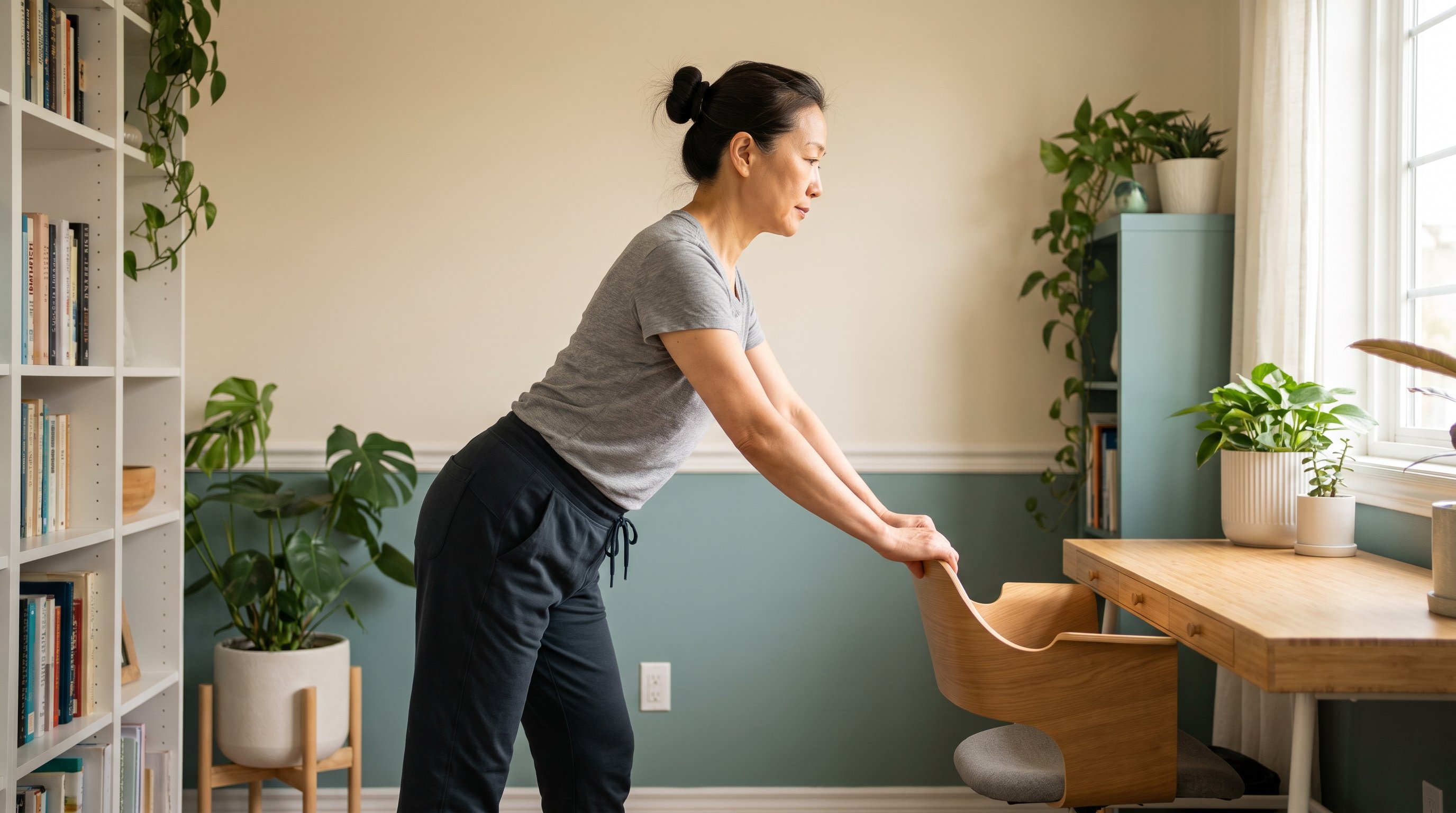
Here's a simple weekly pattern that keeps the joint moving without overloading it.
A Week You Can Copy
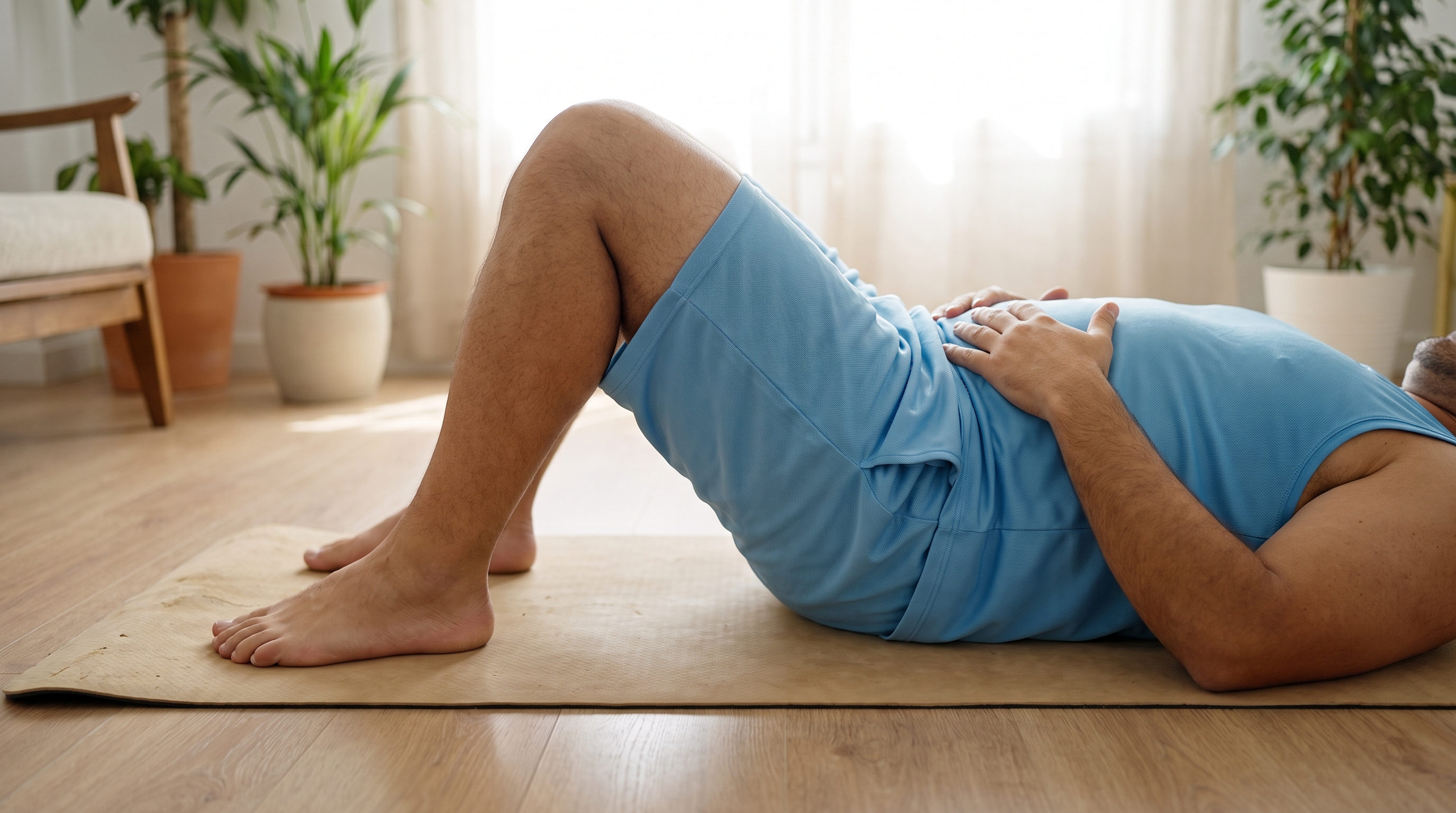
- Monday - gentle pelvic tilts and a short walk.
- Tuesday - hip and glute activation exercises, kept slow and controlled.
- Wednesday - rest or light stretching, whatever the body asks for.
- Thursday - standing hip hinge and seated figure-four stretch.
- Friday - short walk plus gentle core work.
- Weekend - one longer walk and a few minutes of stretching, nothing forced.
Making SI Joint Relief Fit an Ordinary Week
Most people don't have an extra hour a day to dedicate to a routine, and that's fine because this doesn't need one.
Five or ten minutes in the morning, or a short break during the day, is usually enough to keep the pattern going without it feeling like another chore.
Painletics builds this kind of routine around exercises tailored to your main pain triggers and target areas, so the sessions stay short and specific instead of generic.
Daily habit trackers can also help keep tabs on steps, hydration, and the small wellness habits that support the joint alongside the exercises themselves.
Setting a Realistic Timeline for SI Joint Comfort
Most people want a date they can circle on the calendar, and the honest answer is that it varies from person to person.
What tends to happen is small, steady shifts, a bit less stiffness getting out of a chair, a bit more ease walking, before anything feels dramatically different.
The point where people quit is usually the first couple of weeks, right when the routine feels like effort without obvious payoff yet, which is exactly when sticking with it matters most.
Mistakes That Undo Progress With SI Joint Pain
Pushing Through Sharp Pain to Finish a Session
Working through sharp pain usually sets things back further than skipping a session would, so stop and ease off instead of forcing the full routine.
Doing One Long Workout Instead of Short Daily Ones
A single intense session on the weekend doesn't give the joint the steady, repeated input it responds to, so spread the movement across more days instead.
Ignoring How You Sit and Stand All Day
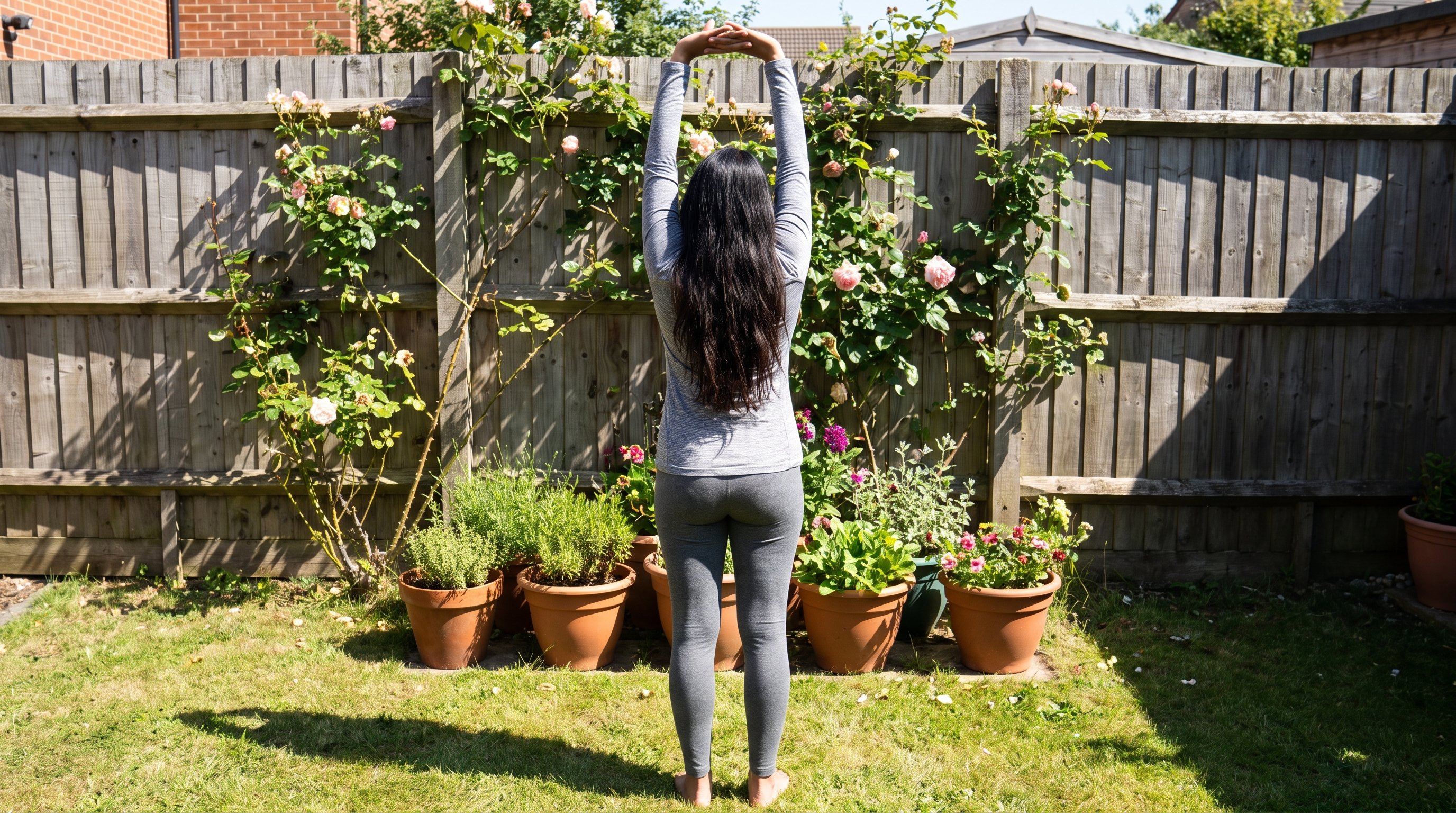
Minutes of exercise can't undo hours of leaning on one hip or slouching sideways, so check in on posture during the day, not just during the routine.
Stopping As Soon As Symptoms Ease Up
Pain easing off is a sign to keep going gently, not a sign to stop, because the supporting muscles still need consistency to stay strong.
Building Consistent SI Joint Relief With Painletics
Adherence beats intensity here, and the number of sessions completed each month matters more than how hard any single one is.
Painletics keeps that consistency simple with customized exercises built around your pain triggers, daily trackers for steps and hydration, lifestyle challenges to nudge small changes, and audio and video routines that fit around a normal schedule.
Move Without Pain
Ease Neck And Back Tension
Taking the Next Step for SI Joint Discomfort
The simplest move today is picking one gentle exercise and doing it, not waiting for the perfect routine to appear.
A customized movement app can help turn that one exercise into a habit that actually lasts, with the tracking and structure to keep it going past the first few weeks.
FAQ
Consistent gentle movement that strengthens the hips and core tends to help more than any single stretch. Spreading short sessions across the week usually beats one long workout.
Pushing through sharp pain or doing too much too soon can set progress back. Gentle, controlled movement kept within a comfortable range is the safer approach.
A few minutes of movement most days works better than one long session squeezed in occasionally. Painletics is built around short routines that fit into small gaps in the day.
It often comes back when the supporting exercises stop as soon as symptoms calm down. Keeping the routine going, even in a lighter form, helps the joint stay supported longer.
Share this post